
Essential Winter Preparations to Shield Your Home from Storms
As the initial chill of winter approaches, proactive measures become essential to protect your residence from severe weather. Timely actions now can avert significant financial losses from issues such as burst pipes or structural damage. Winter storms pose risks including ice buildup and high winds, yet a structured weekend plan using accessible tools and materials can fortify your home effectively. Follow these steps to maintain safety, comfort, and operational efficiency throughout the colder months.
Step 1: Inspect and Secure the Exterior
The exterior elements of your home endure the most direct exposure to winter elements. Addressing vulnerabilities here forms the foundation of comprehensive protection.
Roof and Gutter Maintenance
Begin with a thorough roof assessment to identify potential weak points. Examine for loose shingles, damaged flashing, or accumulated debris that could channel water into vulnerable areas. Professionals charge approximately $150 for an inspection, though a ground-level visual check with binoculars suffices for basic evaluation. Secure any lifted sections with roofing cement to prevent water intrusion.
Clear gutters of leaves and sediment to ensure unobstructed water flow. Blocked gutters foster ice dams, where frozen water expands and lifts shingles, leading to leaks. Gutter guards, priced at $2 to $4 per linear foot, offer long-term relief by minimizing debris accumulation and seasonal upkeep.
Sealing Entry Points
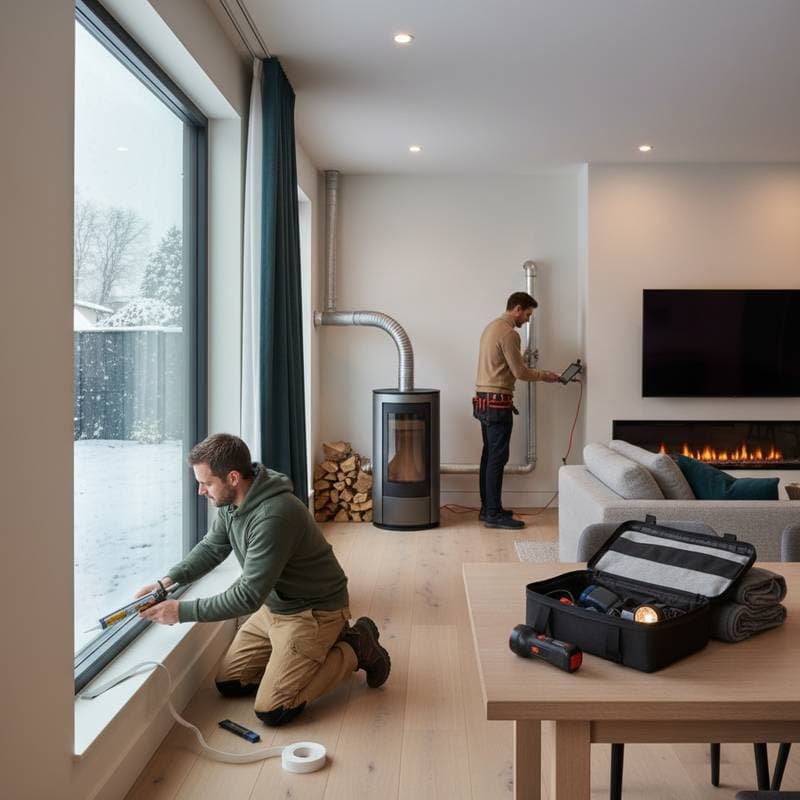
Infiltration of cold air through cracks significantly contributes to energy inefficiency. Apply expanding foam sealant to larger openings around pipes and vents, and use silicone caulk for finer gaps near windows and doors. This perimeter treatment, completable in less than three hours, can reduce heating expenses by 15 percent or more.
Install weatherstripping on doors and attic accesses to block drafts. Options like foam tape or rubber gaskets, available for under $25, require only basic tools such as scissors and a screwdriver. Prioritize high-traffic doors where air exchange occurs most frequently.
Step 2: Insulate Pipes and Prevent Freezing
Frozen pipes rank among the leading causes of winter-related home damage, often resulting in floods and repair bills exceeding $1,000. Proper insulation safeguards plumbing systems against plummeting temperatures.
Identifying Vulnerable Pipes
Locate exposed pipes in unheated spaces like basements, crawl spaces, and garages. Focus on those near exterior walls or running through attics, as these areas cool rapidly. Use pipe sleeves or foam wraps, costing $1 to $2 per linear foot, to encase them fully.
For added protection in extreme cold, apply heat tape to pipes that carry water. These electric cables, activated by built-in thermostats, prevent ice formation and install easily with outlet access. Test the system before full winter onset to confirm functionality.
Indoor Plumbing Checks
Shut off and drain outdoor faucets to avoid internal freezing. Disconnect hoses and store them indoors after opening sill cocks. Inside, allow faucets to drip slightly during severe cold snaps; this minor flow relieves pressure and averts bursts. Monitor for unusual noises or slow drainage, which signal emerging issues.
Step 3: Optimize Heating System Performance
A reliable heating system ensures consistent warmth and reduces the strain on your home's infrastructure during prolonged cold periods.
Furnace and Boiler Servicing
Clean or replace air filters to promote unrestricted airflow and system longevity. Clogged filters elevate energy consumption and strain components. Arrange for a professional tune-up, typically $100 to $200, which encompasses burner cleaning, safety control verification, and efficiency testing.
For heat pumps, remove vegetation and debris from the outdoor condenser to facilitate unobstructed operation. Wood stove users should schedule chimney inspections to clear creosote deposits; sweeps cost about $150 and mitigate fire hazards significantly.
Thermostat Configuration
Install or program a smart thermostat to automate temperature management, potentially saving 10 percent on energy costs. Adjust settings to lower temperatures during sleep or absence, then raise them upon return. Advanced models send alerts for temperature drops, enabling prompt response to malfunctions.
Step 4: Enhance Interior Insulation
Adequate insulation retains heat and minimizes energy loss, creating a more comfortable indoor environment.
Attic and Wall Insulation
Inspect attic insulation for adequacy; aim for R-38 value in northern climates. Add blown-in cellulose or fiberglass if levels fall short, a task pros handle for $1 to $2 per square foot. Seal gaps around recessed lights and wiring to prevent warm air escape.
For walls, consider injecting foam insulation into cavities, though DIY options like rigid board behind baseboards work for spot fixes. These measures reduce heat transfer and complement exterior sealing efforts.
Draft-Proofing Floors and Outlets
Use outlet gaskets behind electrical plates to block air leaks, available for pennies each. For hardwood or tile floors, add area rugs or draft stoppers at baseboards. These simple additions enhance overall thermal performance without major renovations.
Step 5: Control Moisture and Maintain Air Quality
Winter's dry air and sealed homes can foster humidity imbalances, promoting mold and discomfort.
Ventilation Strategies
Operate exhaust fans in bathrooms post-shower and in kitchens during meal preparation to expel moist air. Inspect dryer vents for lint obstructions, which impede efficiency and pose fire risks; clean annually with a brush kit.
In basements prone to dampness, deploy a dehumidifier to keep relative humidity at 30 to 50 percent. This range discourages mold while preserving wood and furnishings.
Condensation Mitigation
Address window sweating by applying interior storm panels or insulating film kits, priced at $15 per window. These barriers warm the glass surface and curb moisture buildup. Combine with dehumidification for comprehensive control.
Step 6: Prepare for Power Outages and Emergencies
Storms frequently disrupt electricity, necessitating readiness for safety and continuity.
Backup Power and Lighting
Acquire a generator or battery-powered backups for essential appliances like refrigerators and heaters. Stock non-perishable food, water, and blankets for at least 72 hours. Install carbon monoxide detectors near fuel-burning devices.
Create an emergency kit with flashlights, batteries, and a battery-operated radio for weather updates. Designate safe rooms away from windows and ensure multiple escape routes remain clear.
Communication and Safety Protocols
Charge all devices and keep a list of emergency contacts handy. Teach family members shutdown procedures for water and gas if evacuations become necessary. Practice these routines to build confidence.
Step 7: Ready Your Outdoor Spaces
A prepared landscape buffers your home from storm impacts and eases post-event recovery.
Tree Trimming and Debris Removal
Prune overhanging branches near roofs or utilities to prevent snow-laden falls. Hire services for $200 on smaller jobs, avoiding the higher costs of limb-induced repairs. Rake leaves from foundation areas and test sump pumps by simulating water inflow.
Essential Snow and Ice Management Tools
Assemble tools including shovels, ice melt, and roof rakes to clear walkways and prevent ice buildup. Store salt or environmentally friendly de-icers in a dry area. For driveways, consider heated mats if budget allows, though manual removal suffices for most.
Sustain Your Home's Winter Resilience
Implementing these preparations transforms potential vulnerabilities into strengths, ensuring your home withstands winter's demands. Regular checks throughout the season reinforce these efforts, preserving both property value and peace of mind. Invest this weekend wisely to enjoy a secure, efficient winter without interruptions.