
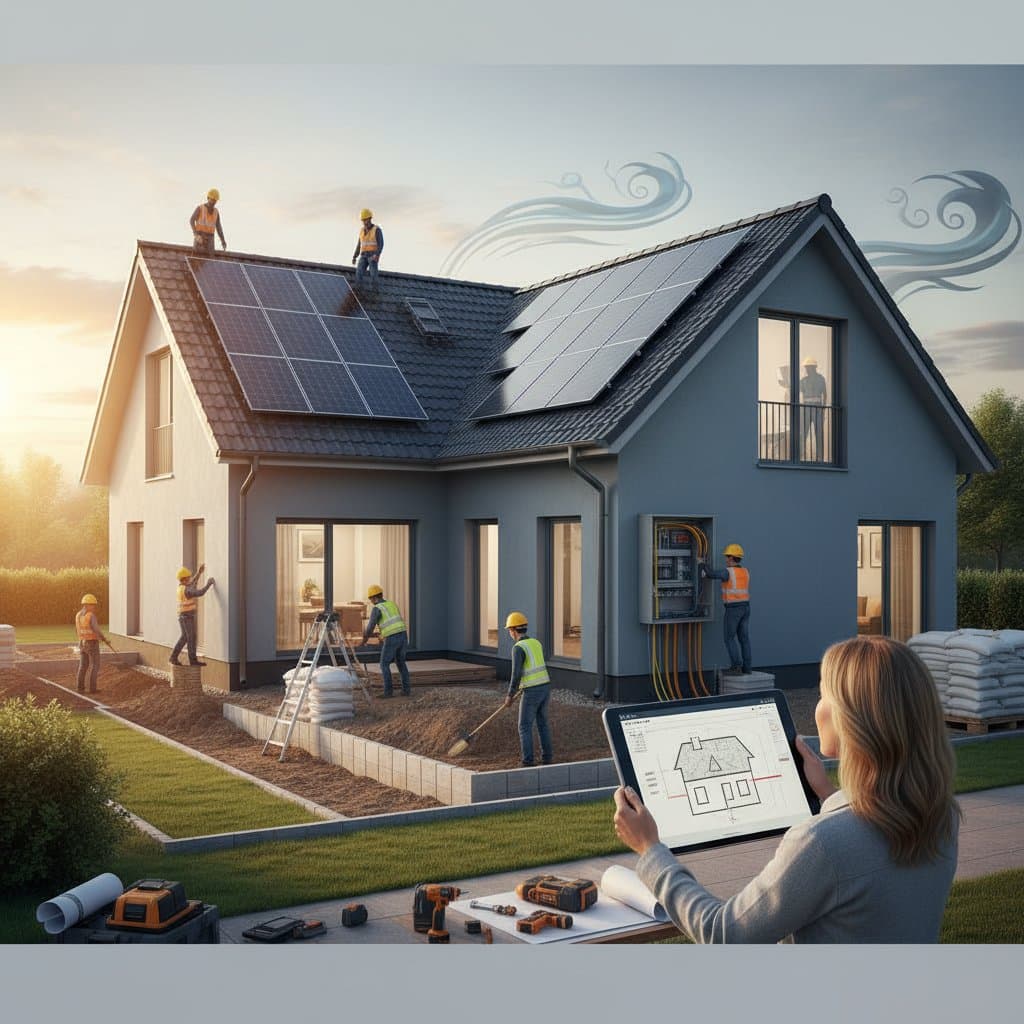
The Climate Remodels DIYers Cannot Tackle Alone
It starts like so many DIY dreams do. A storm passes through, leaving behind a few missing shingles and a damp patch creeping across the ceiling. You grab a ladder, a handful of nails, and the confidence that comes from weekend home projects. But somewhere between the third rung and the flicker of lightning in the distance, the quiet truth sets in. Some climate remodels simply cannot be handled with a toolkit and determination alone.
Across the country, homeowners confront the new realities of extreme weather. Floods reach basements that never used to get wet. Winds pull at rooflines designed for milder conditions. Heat waves strain old insulation and drive energy bills through the roof. The instinct to take matters into your own hands is understandable. Yet the projects that truly make a home resilient often require more than sweat equity. They demand specialized knowledge, safety precautions, and professional-grade materials that go beyond the scope of DIY work.
When the Weather Becomes the Contractor
Climate resilience begins with acknowledging that traditional home design was never meant to handle the volatility seen today. The materials, insulation ratings, and drainage systems that once worked fine now face tougher tests. Professional remodelers trained in climate adaptation bring more than labor to a site. They understand how building codes evolve, how materials react under extreme heat or moisture, and how to integrate energy systems that protect both comfort and structure.
For homeowners, this shift does not mean surrendering the DIY spirit. It means knowing where that spirit meets its limit. The smartest remodels often combine personal involvement with expert collaboration. Tasks like resealing windows or updating weatherstripping remain accessible to most skill levels. But when the structural shell of your home needs reinforcement, or when electrical systems must be adapted for backup power, calling in specialists is not just wise. It is essential.
Roof Reinforcements and Wind Zones
Roofing serves as the first line of defense and the first area to fail under extreme weather. Many DIYers can replace a few shingles or repair flashing, but large-scale roof reinforcements present another matter. In regions facing stronger wind events, roofing systems may need hurricane-rated fasteners, upgraded decking materials, and properly balanced ventilation. These changes require not only specialized tools but also precise installation to meet code.
A professional roofer experienced in climate adaptation can evaluate uplift resistance, install water barriers beneath shingles, and ensure that ridge vents do not create weak points. The cost of such work varies widely, typically between three and eight dollars per square foot depending on materials and local labor rates. While that might sound steep compared to a DIY patch job, the return on investment comes in the form of fewer repairs and lower insurance premiums.
If your roofline shows sagging or your attic ventilation feels uneven, resist the urge to just add more nails or sealant. Structural adjustments at that scale require engineering input. Professionals use load calculations and moisture mapping to understand how the entire roof system responds to stress. That type of analysis is far beyond what a homeowner can safely attempt alone.
Flood-Proofing Beyond the Basement
Water intrusion ranks as one of the most common and expensive forms of climate damage. The temptation to handle it with a sump pump and sealant is strong, but true flood-proofing involves a layered approach. Contractors trained in flood mitigation can evaluate grading, foundation integrity, and subsurface drainage. They might recommend installing backflow valves, elevating HVAC equipment, or sealing foundation seams with industrial-grade epoxies.
Flood-resistant retrofits can range from a few hundred dollars for foundation sealing to tens of thousands for full elevation projects. Regional building codes often dictate the type of materials that can be used below grade, and some insurance providers now require certified flood-proofing before renewing coverage.
DIYers can still participate meaningfully in the process. Clearing gutters, maintaining perimeter drains, and landscaping to direct runoff all provide valuable contributions. But when it comes to elevating electrical panels or installing waterproof barriers beneath slab floors, professional oversight ensures safety and compliance. Improper installation can trap water inside walls, leading to mold and structural decay that costs far more to repair later.
Electrical Resilience and Backup Power
Outages grow as a concern, especially as climate volatility affects grid reliability. Portable generators and battery backups appeal to the self-sufficient mindset, yet integrating them safely into home systems requires care. A generator or battery array must connect through a transfer switch, which isolates circuits and prevents backfeeding power to the grid. Mistakes in this process can cause fires or endanger line workers.
Licensed electricians trained in resilient system design can install whole-home surge protection, upgrade panels to handle new loads, and integrate solar battery systems. Costs vary depending on capacity and configuration, generally between three thousand and fifteen thousand dollars for a full installation. While that investment might seem daunting, it transforms vulnerability into peace of mind.
Homeowners can prepare by mapping critical circuits, calculating energy needs, and choosing backup systems that match their regions conditions. In high-heat zones, air conditioning loads dominate. In colder climates, heating and sump pumps may take priority. Those calculations form the blueprint professionals use to size and configure systems correctly.
Insulation That Adapts to Temperature Extremes
Few upgrades improve comfort as much as insulation, yet this area too reveals limits for DIY work. While adding batt insulation to an attic falls within reach for many homeowners, assessing wall cavities, vapor barriers, and air sealing techniques requires deeper expertise. The wrong insulation type can trap moisture and cause hidden damage.
Professionals use diagnostic tools such as blower doors and infrared imaging to identify leaks and measure performance. They can recommend materials suited to specific climates, from dense-pack cellulose in humid regions to closed-cell spray foam in flood-prone zones. Costs depend on square footage and material choice, often ranging from two to six dollars per square foot for comprehensive upgrades.
A homeowners role here lies in preparation and maintenance. Sealing gaps around windows, installing door sweeps, and inspecting attic vents go a long way toward maximizing efficiency. Yet when moisture control or fire safety ratings are involved, professional installation becomes essential.
Foundation and Structural Stability
As soil conditions change due to fluctuating rainfall and temperature, foundations experience new stresses. Cracks that once seemed cosmetic can signal shifting loads or erosion beneath slabs. DIY crack repair kits may work for surface flaws, but structural settlement requires engineering assessment.
Foundation specialists use hydraulic lifts, pier systems, and soil stabilization techniques that cannot replicate with consumer tools. Reinforcement projects typically cost between five thousand and twenty thousand dollars depending on scope. While that range may cause hesitation, the cost of doing nothing can be far higher if structural integrity continues to degrade.
A simple sign that professional help is needed is persistent door misalignment or uneven flooring. These issues often indicate that the underlying foundation is moving. Early intervention prevents cascading failures through framing and roofing systems.
Exterior Barriers and Climate-Ready Materials
The materials that wrap a home must now do more than look good. They must resist heat, wind, and moisture cycles that test their durability. Fiber cement siding, impact-rated windows, and composite decking materials lead as choices for climate adaptation, yet their installation demands precision.
DIYers can manage smaller tasks like repainting or replacing trim, but full siding replacement involves flashing integration, moisture barriers, and expansion allowances. Improper installation can void manufacturer warranties and reduce performance. Professional crews trained in modern building envelope systems ensure that each layer functions together.
Expect costs ranging from eight to fifteen dollars per square foot for siding upgrades, depending on material and labor rates. While the upfront cost may seem high, these materials often last twice as long as traditional wood or vinyl. Their resistance to rot and warping also reduces maintenance needs over time.
When DIY Meets Professional Collaboration
One of the most empowering shifts in home improvement today is the rise of hybrid collaboration. Homeowners can handle prep work, cleanup, and finishing touches while professionals tackle technical aspects. This model reduces costs and increases engagement.
For example, before a roofing contractor begins, you can remove old gutters or clear attic insulation. During an insulation upgrade, you can paint trim or install smart thermostats. By dividing labor this way, you preserve both safety and satisfaction.
Communication is key. Request detailed scopes of work and ask contractors to explain each phase. Understanding why certain materials or methods are used deepens your skill set for future projects. It also creates accountability and transparency, which prove invaluable when navigating complex remodels.
Pro Tips for Success
- Start with an energy and safety audit. Many utility companies and local governments offer low-cost or free assessments that identify vulnerabilities before major projects begin.
- Budget for contingencies. Climate remodels often reveal hidden damage, so plan for an additional fifteen percent beyond initial estimates.
- Prioritize certifications. Choose contractors with credentials from organizations like the Building Performance Institute or relevant trade associations.
- Document everything. Photographs and material invoices support insurance claims and future resale value.
- Focus on incremental upgrades. You do not need to complete every improvement at once. Build resilience through strategic, phased investments.
Maintaining Resilience After Installation
Once the professionals have packed up their ladders and the last invoice is settled, your role continues. Maintenance bridges resilience and longevity. Clean gutters quarterly, inspect caulk lines, replace filters, and test sump pumps before heavy rain seasons. Keep a binder of warranties and service records for easy reference.
Even the most advanced systems require regular attention to perform at their best. Resilient homes are living structures that respond to their environment. They reward care with stability, efficiency, and comfort.
DIYers thrive on the satisfaction of shaping their surroundings with their own hands. That satisfaction does not disappear when professionals are involved. It simply evolves. The true DIY spirit lies not in doing everything yourself but in understanding your home deeply enough to know when to call for help. Climate resilience is a shared craft, built from equal parts knowledge, collaboration, and respect for the forces that shape the world outside your walls.