
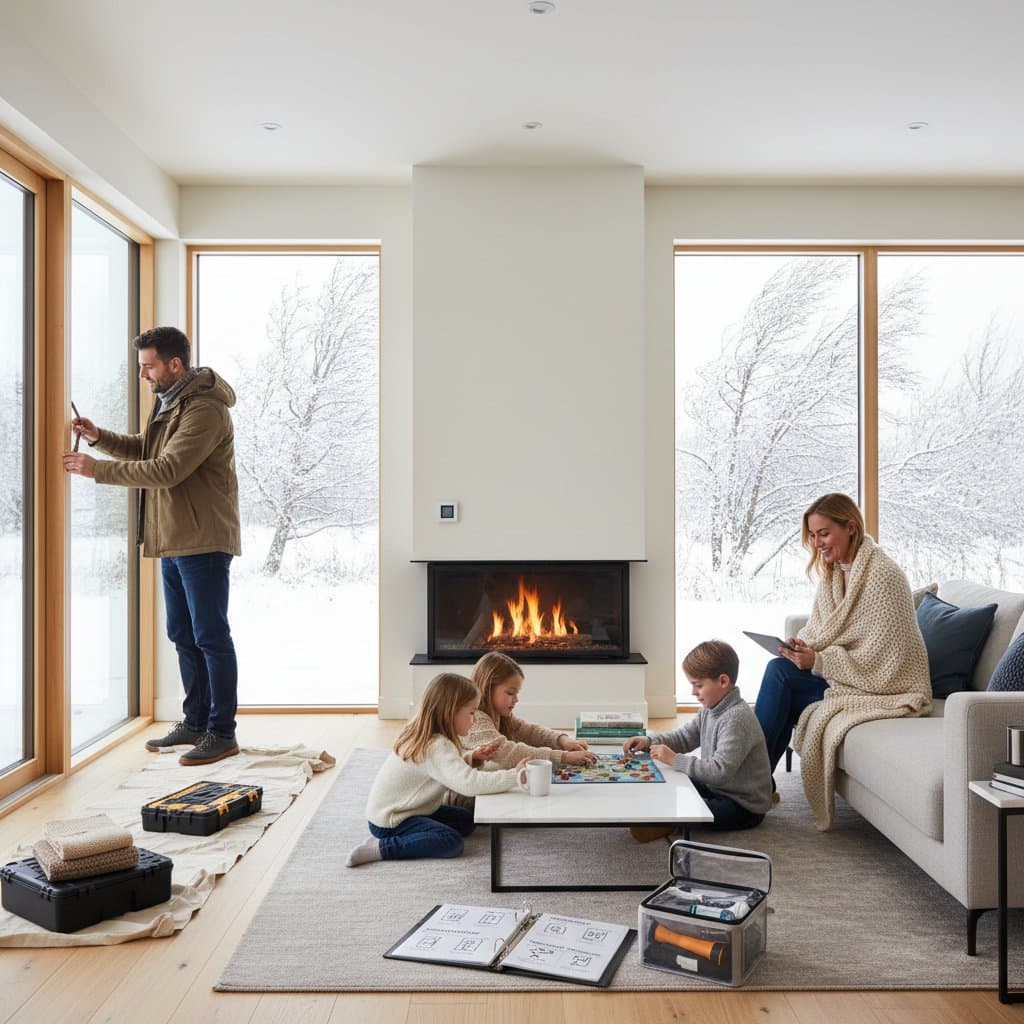
30 Days to Winter-Proof Your Home Against Storms
The first chill in the air serves as a reminder that cold winds, ice, and heavy storms approach. Homeowners envision cozy evenings, yet essential tasks remain to ensure comfort and protection. Winter-proofing addresses warmth while safeguarding the structural investment built over time. A structured 30-day plan converts vulnerability into resilience, preparing the home for every seasonal challenge.
Week 1: Inspect, Evaluate, and Plan
Begin with a thorough walkthrough of the home's interior and exterior, adopting the perspective of a professional inspector. Document any signs of wear, cracks, or inefficiencies. This initial phase emphasizes observation to inform subsequent actions.
Assess Insulation and Sealing
On a cold day, place hands near windows and doors to detect drafts. Cold air infiltration signals the need for intervention. Start by replacing deteriorated weatherstripping, an affordable fix at approximately $20. Proceed to insulate attics or crawl spaces, where costs range from $300 to $800. Seal gaps first to prevent moisture accumulation, which fosters mold or structural decay.
Examine the Roof and Gutters
Inspect for loose or absent shingles and remove debris from gutters. Restricted water flow leads to freezing and ice dams, potentially compromising the roof's integrity. Schedule a professional roof inspection for about $150, far less than midwinter leak repairs that could exceed thousands.
Establish Budget and Timeline
Rank tasks by priority, placing insulation and roof work at the forefront. Follow with window treatments, heating evaluations, and emergency supplies. Create a detailed written schedule to maintain momentum and avert rushed fixes as temperatures decline.
Week 2: Strengthen Windows, Doors, and Exterior
Shift focus to entry points and outer defenses that bear the brunt of winter elements. These upgrades enhance energy retention and structural security.
Upgrade Windows and Doors
Check frames for gaps and apply caulk or foam sealant to vulnerable areas. Install storm windows or heavy curtains to minimize heat loss, reducing energy costs by up to 20 percent. For doors, add threshold seals and consider energy-efficient replacements if drafts persist, with basic kits available for under $50.
Secure the Foundation and Siding
Examine the foundation for cracks and apply waterproof sealant to prevent water seepage. Inspect siding for damage and repair loose panels to avoid wind-driven detachment. Clear vegetation near the base to reduce moisture retention, and grade soil away from the house to direct runoff effectively.
Prepare the Landscape
Trim overhanging branches that could snap under ice weight and remove dead trees near the structure. Mulch garden beds to insulate roots and prevent soil heaving from freezes. These measures protect both the home and surrounding property from storm-related hazards.
Week 3: Optimize Heating and Utilities
Direct efforts inward to prioritize warmth and operational reliability. Efficient systems reduce bills and enhance safety.
Service the Heating System
Arrange for a professional inspection of the furnace or boiler. Technicians clean filters, detect leaks, and adjust thermostats, boosting efficiency by 10 to 15 percent. Budget $100 to $250 for this service. Position space heaters away from flammables and plug them directly into wall outlets to avoid overloads.
Inspect the Fireplace and Chimney
Creosote accumulation contributes to many winter fires. Hire a certified sweep to clear buildup and verify flue patency, costing $150 to $300. For a basic self-check, use a flashlight to scan for obstructions like nests or fallen debris.
Safeguard Plumbing Against Freezes
Insulate exposed pipes with foam sleeves, targeting basements, garages, and outer walls. Such protection averts bursts that result in extensive damage. Allocate $50 for materials. During severe cold, allow faucets to drip minimally to maintain water flow.
Week 4: Enhance Safety and Emergency Readiness
Conclude with measures that ensure occupant protection and rapid response capabilities. Preparation instills confidence amid uncertainty.
Assemble an Emergency Kit
Stock essentials including flashlights, batteries, non-perishable food, water, blankets, and a first-aid kit. Include tools for pipe thawing and a portable radio for weather updates. Store the kit in an accessible location and review contents annually.
Test Electrical and Backup Systems
Verify outlet functionality and replace frayed cords. Install or check carbon monoxide detectors and smoke alarms, testing batteries monthly. If outages occur frequently, consider a generator with professional installation to power critical appliances safely.
Conduct Drills and Final Checks
Simulate a power loss to practice using backups and evacuation routes. Review insurance coverage for storm damage and document home improvements for claims. This comprehensive review solidifies the home's winter defenses.
Professional Expertise and Safety Protocols
Recognize limits and engage licensed professionals for electrical upgrades, gas inspections, or intricate roof repairs. Free consultations from contractors provide cost insights without obligation. Prioritize safety: secure ladders firmly, avoid overreaching, and enlist a spotter for elevated tasks. Equip with gloves, goggles, and stable shoes when managing insulation or adhesives.
Ongoing Vigilance and Adjustments
Winter-proofing extends beyond initial efforts. Post-storm, inspect for foundation pooling, window condensation, or gutter ice. Address discoveries promptly to forestall escalation.
Replace furnace filters monthly during heating peaks and scrutinize utility statements for anomalies indicating leaks. Refresh emergency supplies regularly, rotating perishables and batteries. These routines sustain safety and efficiency throughout the season.
Embrace Winter with Assurance
A fortified home transforms ominous forecasts into serene backdrops for winter enjoyment. Observe snow accumulation secure in the knowledge of sealed roofs, insulated pipes, and reliable heat. This preparation yields not only protection but also the fulfillment of proactive stewardship.
Dedicate these 30 days to fortify comfort, promote sustainability, and preserve value. Applicable to urban dwellings or rural retreats, the approach fosters enduring resilience against cold-weather trials.