
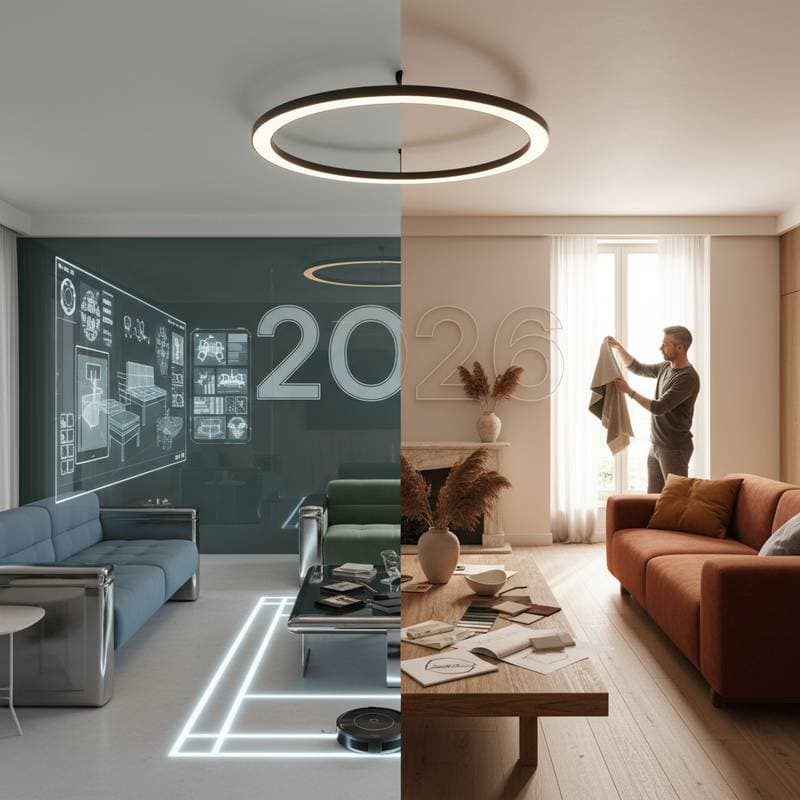
AI vs Designers: Smart Choice for 2026 Home Makeovers
The answer is pretty simple. You can absolutely use AI to design your next home makeover, but whether you should depends on what kind of project you are planning and how much creative control you want to keep. The rise of virtual design tools has made it easier than ever to visualize a new kitchen, test out furniture placement, or even simulate lighting changes. Yet, the human touch of a seasoned designer still brings something that algorithms cannot quite capture.
Homeowners today face a clear decision point. Do you trust an AI-powered design platform trained on thousands of layouts, or do you invest in a professional designer who can read a room’s energy and your personality? Both options work, but they work differently.
What Professional Designers Still Do Better
An experienced designer brings context, artistry, and emotional intelligence that no algorithm can replicate. They notice how natural light interacts with color temperature, how traffic flow changes with furniture scale, and how materials feel under your hand. A designer can also navigate local building codes, source durable products, and coordinate contractors.
Typical cost range: Expect to pay between $2,000 and $8,000 for a full-room design, including planning, sourcing, and coordination. While that is a significant investment, designers often secure trade discounts or exclusive materials that offset a portion of the cost.
Designers also act as project managers, ensuring that what looks beautiful on paper actually works in practice. They handle unexpected site issues, verify installation quality, and adjust design elements mid-project if something feels off. AI platforms cannot yet adapt to real-world construction surprises or client emotions in the same way.
When AI Makes More Sense
AI tools shine for small-scale upgrades, quick refreshes, or early-stage brainstorming. If you are updating wall colors, rearranging furniture, or exploring style options before committing to a remodel, these tools offer instant feedback with minimal cost.
They are also excellent for homeowners who want hands-on control. You can experiment, learn, and make design decisions at your own pace. For renters or budget-conscious homeowners, AI design software can help you avoid professional fees while still achieving a cohesive look.
When to Bring in a Designer
Once your project involves structural changes, custom cabinetry, or high-end finishes, a professional designer becomes a necessity. Building permits, electrical plans, and cabinetry specifications all require technical expertise and liability coverage. A licensed designer ensures compliance with safety codes and product warranties.
If your project affects property value or involves insurance documentation, professional oversight protects your investment. A good designer will also anticipate resale preferences, helping you choose upgrades that appeal to future buyers.
Blending AI and Human Expertise
The smartest choice often lies in combining both. Use AI to visualize ideas, narrow down styles, and estimate costs. Then hire a designer to refine the plan, source quality materials, and manage execution. Many designers now integrate AI tools into their workflow, using them to present options faster and with more precision.
This hybrid model saves both time and money. Homeowners can experiment freely without adding billable design hours, while professionals can focus on customization and technical verification.
Living with Your Design
After your makeover is complete, keep using AI tools to maintain and evolve your space. Many platforms offer seasonal décor updates, maintenance reminders, and storage optimization suggestions.
A well-designed home should grow with you. Whether your inspiration comes from an algorithm or a human eye, the goal is the same: a space that feels right every time you walk through the door.