
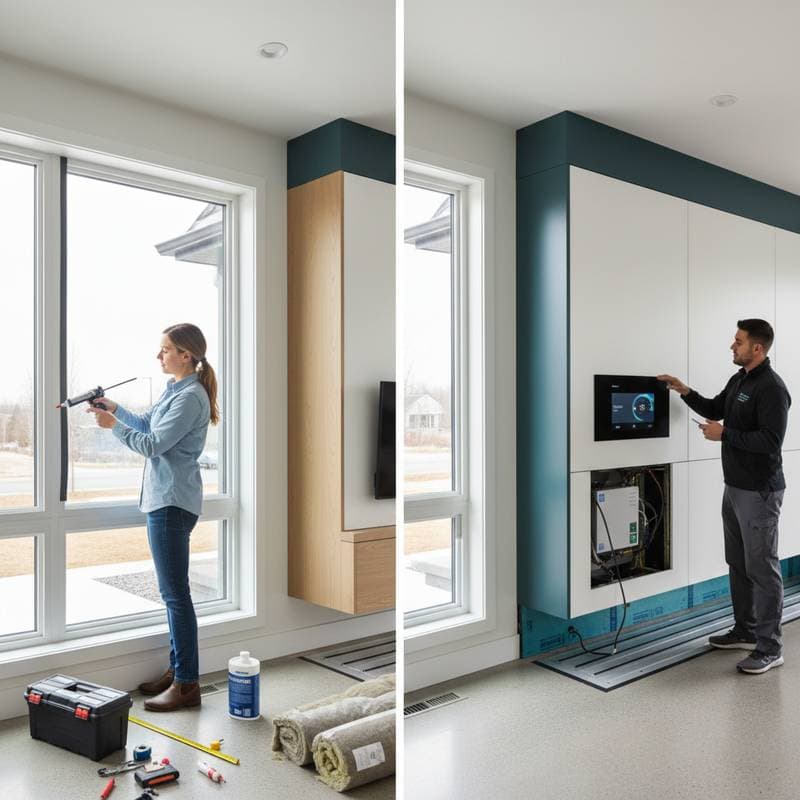
When to DIY vs Hire for Climate-Proofing Your Home
Extreme weather events have become more frequent and intense, posing significant risks to homes across various regions. Homeowners now face the challenge of protecting their properties from heatwaves, floods, storms, and freezing temperatures. Climate-proofing involves implementing measures to enhance resilience, improve energy efficiency, and reduce long-term damage. This article explores practical strategies, distinguishing between tasks suitable for do-it-yourself efforts and those requiring professional expertise.
Understanding Climate-Proofing Essentials
Climate-proofing refers to adaptations that safeguard a home against environmental stresses. These include sealing against moisture, insulating for temperature extremes, and reinforcing structures for wind or seismic activity. The goal is to maintain comfort, lower utility bills, and preserve property value over time.
Assessing your home's vulnerabilities starts with a thorough inspection. Identify areas prone to water intrusion, such as roofs and foundations, or spots losing heat, like drafty windows. Local climate data from weather services can guide priorities; for instance, coastal areas emphasize flood barriers while inland regions focus on drought-resistant landscaping.
DIY Climate-Proofing Projects: Simple and Cost-Effective Steps
Many climate-proofing tasks lend themselves to DIY approaches, especially for budget-conscious homeowners. These projects require basic tools and materials available at hardware stores. They provide quick wins in efficiency and protection without extensive skills.
Weatherstripping Doors and Windows
Gaps around doors and windows allow air leaks that increase heating and cooling costs. Installing weatherstripping is a straightforward DIY fix. Measure the perimeters, choose foam or rubber strips based on surface types, and apply them firmly with adhesive or nails. This simple step can reduce energy loss by up to 20 percent, according to efficiency guidelines.
Adding Window Film for Insulation
Solar heat gain during summer or heat loss in winter affects indoor comfort. Apply insulating window film to create a barrier. Clean the glass thoroughly, cut the film to size, and use a squeegee to eliminate bubbles. This affordable method blocks ultraviolet rays and maintains stable temperatures, ideal for renters or temporary upgrades.
Installing Gutters and Downspouts
Proper water management prevents foundation erosion and basement flooding. If your home lacks gutters, attach aluminum or vinyl sections along the roofline. Secure them with brackets and direct downspouts away from the structure. Regular cleaning ensures they function effectively during heavy rains.
Planting Native Vegetation for Shade and Erosion Control
Landscaping plays a key role in climate resilience. Select native plants that require less water and stabilize soil. Dig holes twice the width of root balls, plant at the same depth as nursery pots, and mulch around bases to retain moisture. Trees and shrubs provide natural shade, reducing cooling needs by shading walls and roofs.
When Professional Help Makes Sense: Complex Upgrades
Certain climate-proofing measures demand specialized knowledge, tools, or permits. Hiring professionals ensures compliance with building codes and optimal results. Evaluate the project's scale, your skill level, and potential risks before deciding.
Roof Reinforcement and Replacement
Aging roofs struggle against high winds or heavy snow loads. Professionals assess structural integrity using tools like moisture meters and thermal imaging. They may install impact-resistant shingles or metal roofing designed for extreme conditions. This investment prevents costly leaks and extends roof lifespan by decades.
Advanced Insulation and Ventilation Systems
Inadequate insulation leads to uneven temperatures and higher bills. Experts conduct energy audits to pinpoint inefficiencies, then install spray foam or rigid panels in attics and walls. Proper ventilation, such as ridge vents or whole-house fans, prevents moisture buildup. These systems require precise calculations to avoid issues like condensation.
Foundation Waterproofing and Drainage Solutions
Water seeping into foundations causes cracks and mold. Contractors excavate around the perimeter, apply sealants, and install sump pumps or French drains. This labor-intensive work involves heavy equipment and engineering to redirect groundwater effectively. It protects against flooding in low-lying areas.
Solar Panel Installation for Energy Independence
Transitioning to renewable energy buffers against utility rate fluctuations tied to climate impacts. Licensed installers evaluate roof orientation and structural load before mounting panels. They integrate inverters and batteries for reliable power. Incentives like tax credits often offset costs, making it a worthwhile long-term strategy.
Balancing Costs: Evaluating DIY Savings vs Professional Value
DIY projects typically cost 30 to 50 percent less than hiring out, but factor in time and potential errors. For example, weatherstripping might run under 50 dollars, while a full roof replacement exceeds 10,000 dollars. Professionals bring warranties and insurance, reducing liability for homeowners.
Create a budget by listing materials, labor estimates, and expected savings. Tools like online calculators help compare scenarios. Prioritize high-impact areas; a small DIY fix today can prevent a major professional repair tomorrow.
Maximizing Resilience: Next Steps for Your Home
Start with an assessment to identify urgent needs, then tackle DIY tasks for immediate gains. Consult local experts for complex issues to ensure safety and effectiveness. Climate-proofing not only shields your home but also enhances livability and financial security. Implement these strategies gradually to build a more resilient living space tailored to your region's challenges.