
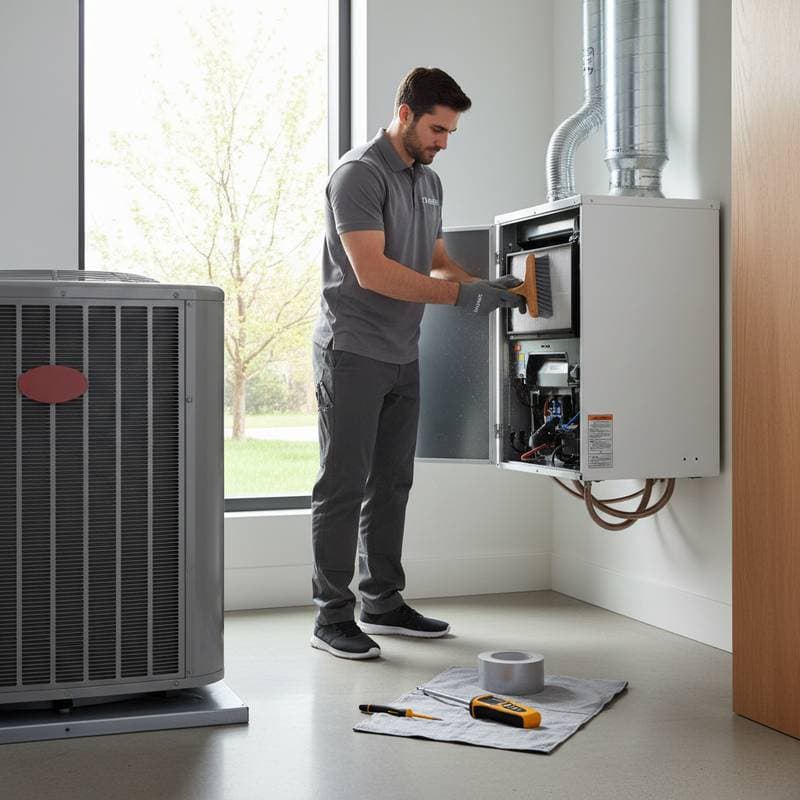
Spring Moves to Keep HVAC Humming All Summer
The first warm breeze of spring carries more than the scent of blooming flowers. It serves as a quiet reminder that your home's HVAC system prepares to shift from heating to cooling duty. Many homeowners wait until the first truly hot day to test their air conditioner, only to discover that it operates sluggishly, noisily, or not at all. A brief spring maintenance routine prevents that scramble and keeps the system efficient and comfortable through the hottest months.
The Gentle Transition from Heat to Cool
Consider the moment you turn off the furnace after months of steady use. That small click of the thermostat marks a seasonal milestone. Before the system rests, however, it requires attention. Dust and debris accumulate in the blower compartment, filters clog, and condensate lines may freeze or crack. Addressing these issues early ensures the first cooling cycle circulates clean air throughout your home.
Begin by shutting down the furnace's fuel supply and cleaning around the unit. Replace the air filter with a fresh one rated for both heating and cooling performance. Most filters cost between $15 and $40, depending on size and quality. A high-efficiency filter reduces allergens and improves airflow, which lowers summer energy bills.
Clearing the Outdoor Unit
The outdoor condenser functions as the heart of your air conditioning system, and spring provides the ideal time to give it breathing room. During winter, leaves, twigs, and dirt collect around the housing, which blocks airflow and forces the system to work harder. Before reconnecting power, clean gently. Use a garden hose to rinse surface debris and a soft brush for stubborn spots on the fins. Avoid high-pressure settings, as they can bend the metal.
Maintain at least two feet of clearance around the unit. Trim back shrubs or vines that have grown closer since last season. This step improves efficiency by up to 10 percent, leading to noticeable savings over the summer. If oil stains or unusual residue appear near the base, they may indicate a refrigerant leak, which demands professional inspection.
Testing the System Before You Need It
With the system clean, conduct a controlled test run. Set the thermostat to cooling mode and listen carefully as the unit starts. Investigate any rattling or grinding sounds immediately. Warm air from the vents often signals low refrigerant levels or a compressor issue.
Run the air conditioner for at least 15 minutes to stabilize pressure levels. Check for steady airflow and consistent cooling. If the air feels weak, inspect ductwork for loose connections or collapsed sections. Even small leaks reduce efficiency and cause uneven cooling in rooms.
Balancing Maintenance and Energy Efficiency
Spring HVAC care extends beyond preventing breakdowns. It offers the best opportunity to fine-tune your home's overall energy performance. A well-maintained system reduces cooling costs by up to 20 percent. Pair it with simple upgrades to foster a more sustainable living environment.
- Seal air leaks around windows and doors with weatherstripping or caulk. This action retains cool air inside and blocks humidity.
- Install a smart thermostat to adjust temperature settings automatically based on your schedule.
- Vacuum floor vents and returns to remove dust and pet hair that restrict airflow.
- Inspect insulation in attics and crawl spaces to stop cooled air from escaping.
These tasks complement HVAC maintenance, extend system life, and enhance comfort.
Knowing When to Call a Professional
Certain maintenance steps demand specialized tools and certification. Schedule professional service if you observe inconsistent cooling, ice on refrigerant lines, or an unexplained spike in energy bills. A typical spring tune-up costs between $100 and $250, depending on region and system size. Technicians check refrigerant pressure, clean coils, calibrate the thermostat, and verify safe electrical connections during this visit.
For older systems, the inspection reveals whether upgrades or replacements make sense. Newer models include variable-speed compressors and eco-friendly refrigerants that operate quietly and minimize environmental impact. If your system exceeds a decade in age or needs frequent repairs, a consultation helps evaluate the long-term benefits of replacement over ongoing maintenance.
Safety and Seasonal Timing
Safety anchors every maintenance routine. Turn off power at the breaker before working on any component, and avoid handling refrigerant lines or internal wiring. Spring's mild temperatures create the perfect window for maintenance. Technicians enjoy better availability, and you can test the system without extreme heat pressure.
Pro Tips for Success
- Keep records of each maintenance task. Note dates, filter types, and professional service details.
- Listen for small changes in system sounds. A slight hum or vibration signals early wear.
- Monitor humidity levels with a simple indoor gauge. Rising humidity despite cool air suggests the need for coil cleaning or condensate line inspection.
- Schedule mid-season checks if you reside in a region with heavy pollen or dust, as buildup occurs faster.
Living Comfortably All Season Long
When summer arrives and your home remains cool without strain, the rewards of spring preparation become evident. An HVAC system that operates quietly in the background exceeds mere convenience. It embodies care, foresight, and respect for the energy that sustains daily comfort.