
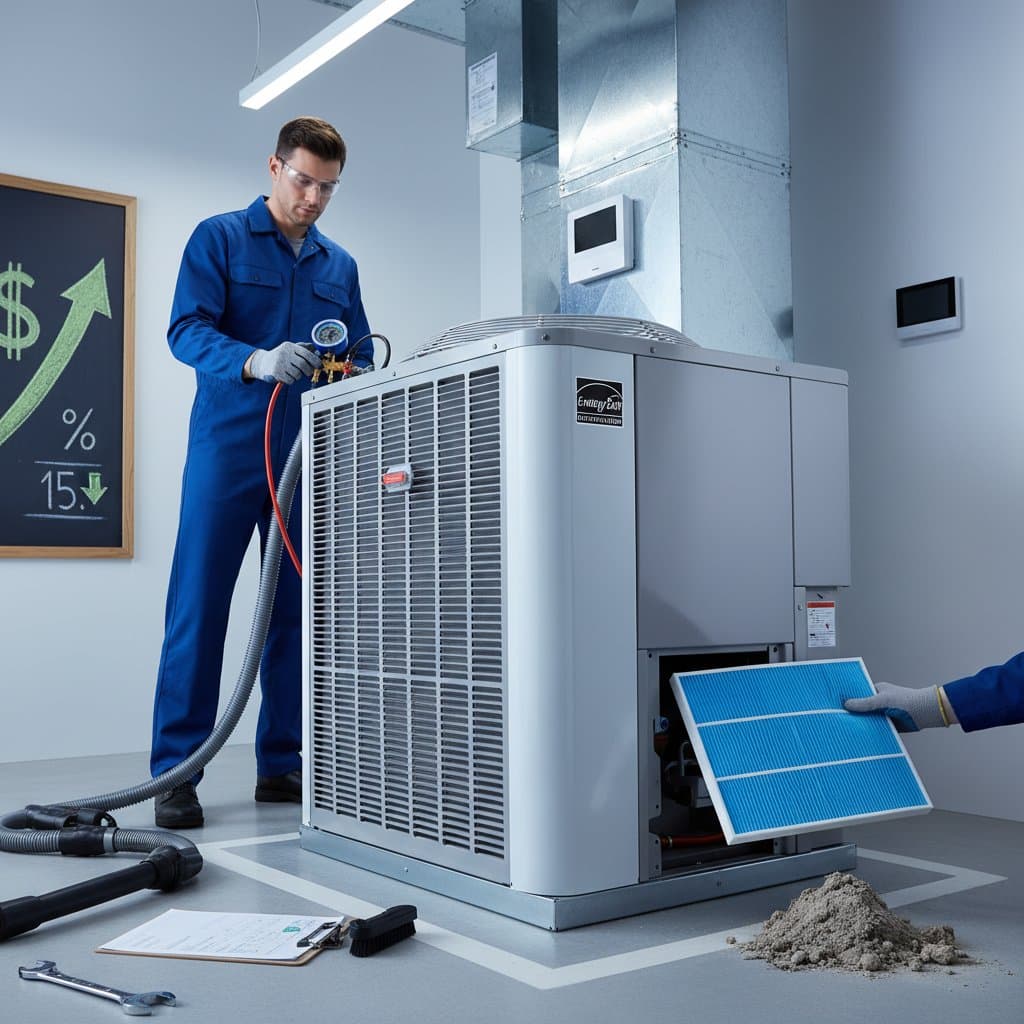
Spring HVAC Tune-Up: Prepare for Summer Comfort
Imagine activating your air conditioner on the initial warm spring day, only to encounter silence or lukewarm air. Such experiences highlight the importance of proactive maintenance. A spring HVAC tune-up serves as essential preparation, ensuring reliable performance, reduced energy expenses, and sustained indoor comfort throughout the season.
The Importance of Spring Maintenance
HVAC systems often remain idle during winter months, accumulating dust, debris, and potential obstructions in outdoor components. Clogged filters and neglected parts compel the system to operate inefficiently, increasing energy consumption and accelerating wear. Regular spring tune-ups enhance efficiency by up to 15 percent, yielding lower utility bills and prolonged equipment longevity.
For typical households, these improvements result in savings that surpass the standard tune-up expense of $100 to $250. Professional services address hidden issues, while consistent care maintains optimal operation. Homeowners benefit from cooler interiors without unexpected interruptions.
Essential Components of a Tune-Up
Effective maintenance extends beyond superficial cleaning. Professionals or informed homeowners follow a structured checklist to restore full functionality. Below is a detailed guide to key steps.
-
Replace or clean air filters. Restricted airflow from soiled filters leads to system strain, potential freezing, or overheating. Exchange disposable filters or rinse reusable ones at intervals of one to three months for consistent performance.
-
Examine the thermostat. Verify accurate temperature readings and evaluate options for programmable or smart models. These upgrades automate adjustments, further minimizing energy use during cooling periods.
-
Clean condenser coils. Outdoor coils collect dirt, pollen, and grime, impairing heat dissipation. After disconnecting power, rinse coils gently with a garden hose to restore efficiency without damaging fins.
-
Assess refrigerant levels. Insufficient refrigerant signals leaks that can harm the compressor if unaddressed. Professionals use gauges to measure and recharge as needed, ensuring compliance with safety standards.
-
Clear the condensate drain line. Obstructions cause water backups, fostering mold or structural damage. Flush the line with a solution of vinegar and water to promote unobstructed drainage.
-
Secure electrical connections. Loose wires risk short circuits or operational failures. Technicians tighten components during inspections; homeowners should defer this task unless experienced.
-
Lubricate moving parts. Dry bearings and motors generate excess friction, hastening deterioration. Apply manufacturer-recommended lubricant sparingly to facilitate smooth operation.
-
Test overall system performance. Operate the unit for several minutes post-maintenance to confirm startup, even cooling distribution, and absence of unusual noises. This step validates the tune-up's effectiveness.
Additional checks include inspecting ductwork for leaks and evaluating blower fan balance. Comprehensive assessments prevent minor problems from escalating into major repairs.
Choosing Between DIY and Professional Services
Homeowners comfortable with basic tasks can manage filter replacements, coil cleaning, and vegetation clearance around units. These actions provide immediate benefits without specialized equipment. However, professionals employ diagnostic tools for precise refrigerant handling and electrical testing.
Annual professional tune-ups, lasting approximately one hour, include detailed reports on system health. Many providers offer service contracts with benefits such as expedited repairs and cost reductions. For systems over a decade old, combine DIY efforts with expert oversight to maximize reliability.
Prioritizing Safety and Efficiency
Disconnect power sources before any maintenance to avoid electrical hazards. Use stable ladders for accessing vents and exercise caution around fragile coil structures. Maintain a minimum two-foot clearance around outdoor units to support unrestricted airflow.
Evaluate system age and repair history during tune-ups. Units exceeding ten years may warrant replacement with ENERGY STAR-certified models, which reduce cooling expenses by up to 20 percent. Initial costs yield long-term returns through enhanced efficiency and fewer service calls.
Optimal Timing and Regional Adjustments
Schedule tune-ups in early spring when service demand remains low, avoiding summer rushes. In hot climates, early preparation counters extended heat waves. Cooler regions benefit from readiness against sudden humidity spikes.
Consider local factors like pollen levels or coastal salt exposure, which accelerate component corrosion. Technicians tailor inspections to environmental conditions for region-specific durability.
Practical Strategies for Ongoing Maintenance
Establish calendar alerts for filter changes to maintain routine care. Prune nearby plants to enhance outdoor unit ventilation. Close window blinds during daylight hours to lessen cooling demands.
Monitor for auditory cues such as rattling or hissing, indicating potential mechanical or refrigerant concerns. Document technician observations annually to identify patterns and plan upgrades. These habits sustain peak performance year-round.
Achieving Reliable Cooling Performance
Spring tune-ups equip homeowners for seamless summer transitions. Through targeted maintenance, systems deliver cleaner air, reduced operational costs, and dependable comfort. Invest in this preparation to enjoy a resilient home environment tailored to seasonal demands.