
Understanding Permit Requirements for DIY Home Projects
Homeowners undertake numerous improvement projects independently, yet specific tasks involving structural elements, electrical systems, plumbing, or safety features demand permits and professional supervision. Building codes and local regulations extend broadly into renovation activities. Tasks such as replacing a water heater or installing a wall outlet may appear straightforward, but authorities often classify them differently.
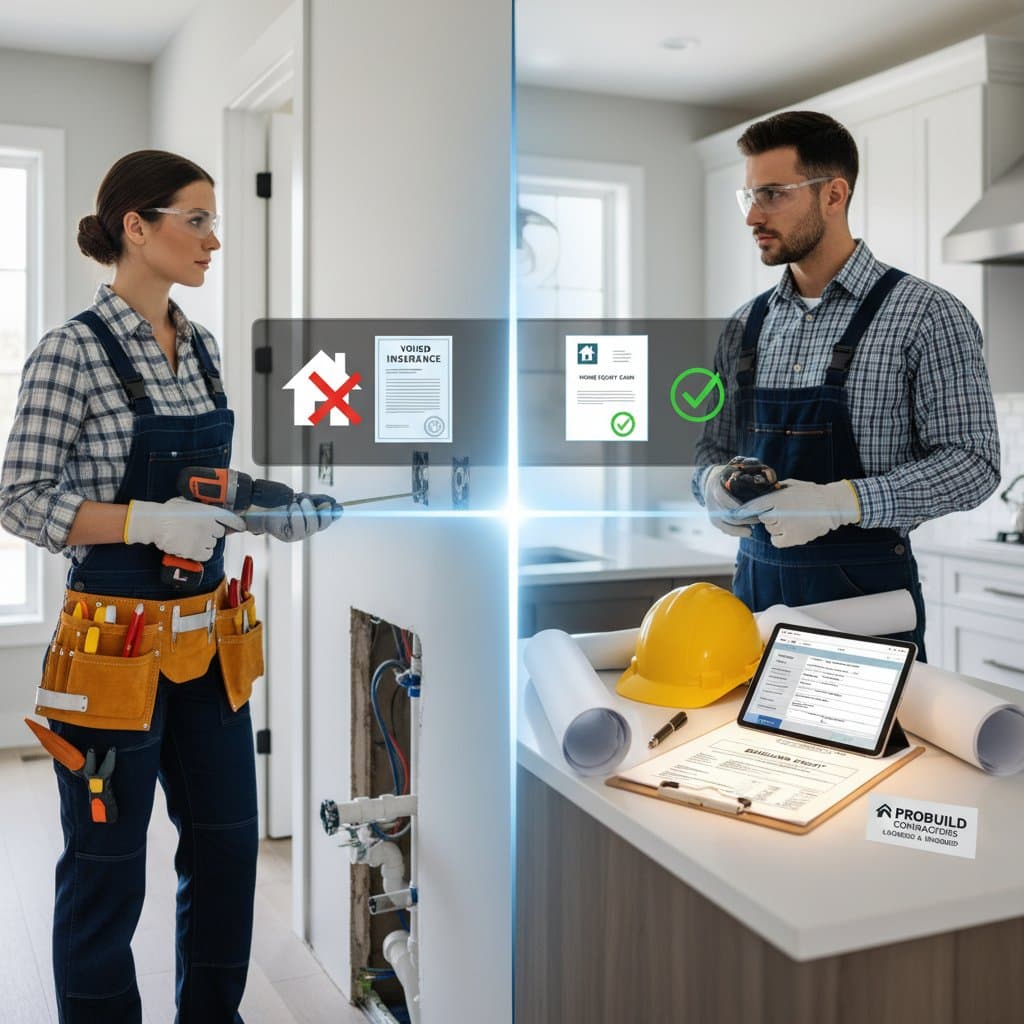
Foregoing a permit leads to consequences that exceed any initial cost savings from self-performed labor. Such oversights invalidate insurance policies, complicate property sales, or necessitate demolition of completed work. This guide examines projects that necessitate legal approval, explains permit procedures, and identifies situations requiring licensed experts prior to commencing work.
Consequences of Bypassing Permit Processes
Homeowners occasionally overlook permit requirements to expedite projects or minimize expenses. These decisions yield swift repercussions. Key outcomes include:
- Denial of insurance claims related to fire, flood, or electrical incidents stemming from unpermitted alterations.
- Imposition of fines or issuance of stop-work directives upon discovery by inspectors.
- Diminished property value, as disclosures of unpermitted modifications deter potential purchasers.
- Expenses for dismantling and reconstructing noncompliant sections.
A permit serves as official validation of adherence to regulations and appropriate professional engagement. Even modest bathroom renovations trigger scrutiny if they encompass plumbing relocations or electrical modifications.
Structural Modifications Requiring Permits
Projects affecting a home's framework invariably necessitate permits. Consider the following examples:
Removal or addition of walls: Non-load-bearing walls permit flexibility, but load-bearing ones demand structural assessments to prevent collapse or foundation shifts. Engineers or contractors typically provide required plans for municipal approval.
Foundation repairs: Addressing cracks, adding reinforcements, or installing supports requires verification against soil conditions and load capacities.
Roof installations: Complete replacements, particularly those altering slope or materials, undergo evaluation for resistance to wind and fire hazards.
Decks and additions: Elevated structures or those connected to the residence mandate documentation ensuring stability.
Permit fees for structural endeavors vary from $200 to $1,000 based on jurisdiction and scope. Processing and inspection periods extend from days to weeks, influencing overall timelines.
Plumbing Alterations Subject to Regulation
Improper plumbing installations risk extensive concealed damage. Relocating drains or fixtures often invokes permit mandates, contrary to assumptions of simplicity.
Required approvals apply to:
- Placement or repositioning of water heaters.
- Relocation of fixtures or pipelines.
- Construction of additional bathrooms or bars with water features.
- Replacement of drainage or primary supply lines.
Routine fixture swaps, such as faucets or showerheads, evade these requirements. Interventions altering supply or waste pathways, however, invite inspections.
Plumbing permit charges span $75 to $250. Integrated with professional services, minor bathroom overhauls total $3,000 to $8,000, contingent on materials and configurations.
Unauthorized work invites leaks fostering mold growth, insurance conflicts, or wall deterioration. Compliance outweighs potential hazards.
Exterior Enhancements Under Scrutiny
Outdoor modifications occasionally escape oversight, yet connections to structures or utilities prompt reviews. Painting and basic landscaping proceed without permits, but the following demand attention:
- Fencing installations: Regulations on elevation and positioning necessitate evaluations.
- Driveway or patio constructions: Impacts on drainage or accessibility require endorsements.
- Outbuildings like sheds or garages: Dimensions and service integrations dictate permit needs.
- Wall retainers: Heights exceeding minimal thresholds call for engineering analysis.
Associated costs range from $50 to $500 according to intricacy. Noncompliance results in mandated removals or penalties from enforcement agencies.
Deciding Between Professional Assistance and Independent Effort
Distinguishing suitable tasks for self-execution from those requiring expertise proves crucial. Employ this framework:
- Suitable for independent completion: Surface applications like painting, flooring installation, trim additions, and fixture exchanges.
- Hybrid approaches: Endeavors such as tiling or cabinetry that involve limited system adjustments; engage specialists for technical aspects.
- Exclusive to professionals: Interventions with frameworks, electrical conduits, gas pipelines, or extensive plumbing.
If uncertainty arises regarding permit necessity, approval likely applies. Proficient DIY participants frequently retain experts for critical connections while managing aesthetic elements.
Indicators Prompting Project Reassessment
Experienced individuals overlook warning signs periodically. Pause and evaluate upon encountering:
- Concealed wiring or piping paths within enclosures.
- Beams exhibiting modifications or inadequate dimensions.
- Proximity of gas conduits to operational zones.
- Ambiguous regulatory terminology or inspection protocols.
- Professionals advocating permit evasion.
Reputable contractors uphold legal protocols. Suggestions to circumvent them signal the need for alternative providers.
Strategizing Project Schedules for Efficient Approvals
Timing influences permit timelines and expert availability. Peak seasons in spring and summer prolong inspection queues. Opt for late summer or early winter to encounter reduced demands.
Assemble applications in advance, incorporating blueprints, equipment specifications, and credential verifications. Preparedness accelerates reviews and demonstrates commitment to standards.
For modest undertakings like window substitutions or basic plumbing enhancements, in-person submissions may yield immediate authorizations.
Preserving Records for Long-Term Security
Post-completion, retain all permits, inspection documents, and service receipts in both physical and digital formats. These materials fulfill multiple roles:
- Validation of adherence for prospective owners.
- Substantiation for coverage assertions.
- Guidance for subsequent modifications.
Such diligence safeguards investments and facilitates seamless future transactions.