
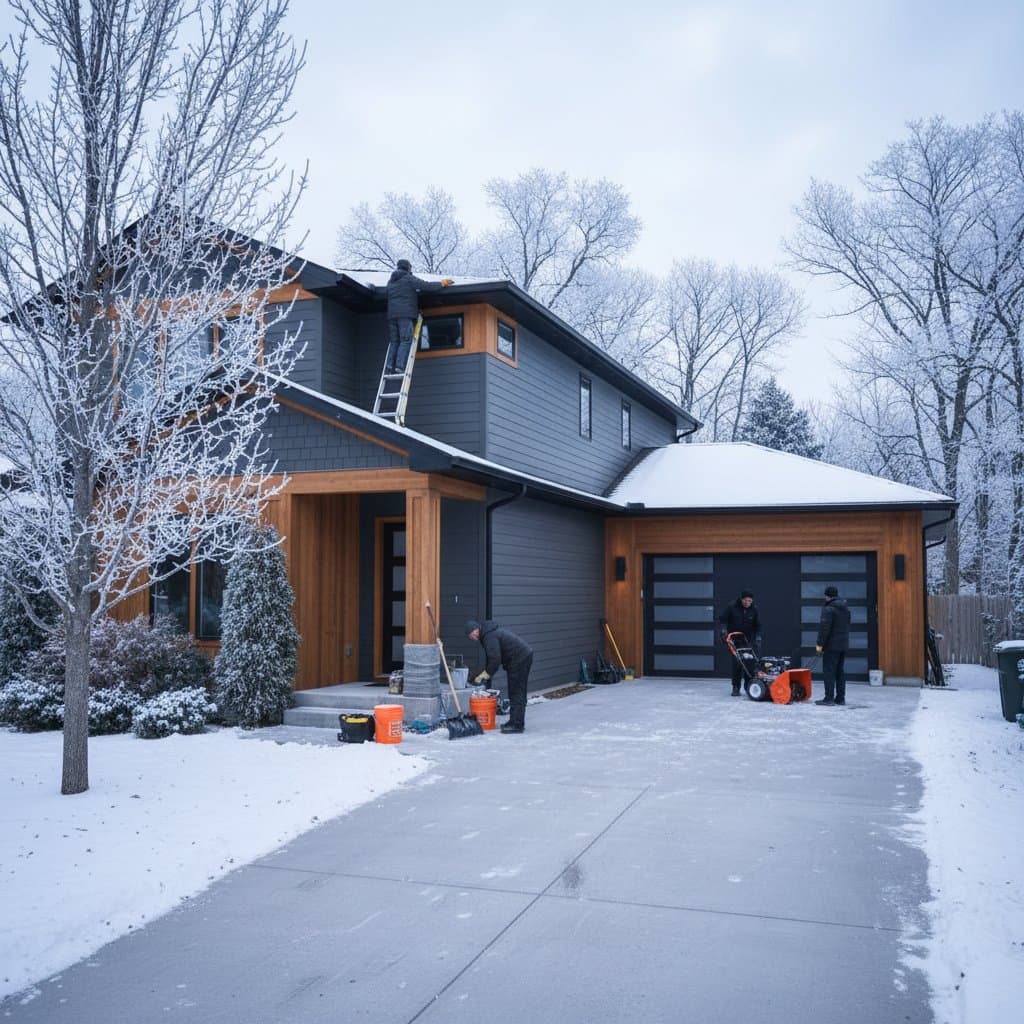
Essential Winter Storm Preparation: Shield Your Home from Ice and Damage
Winter storms pose significant risks to homes, including power outages that leave families in the cold, frozen pipes that burst and cause flooding, roof leaks from accumulated ice, and structural damage from high winds. These issues lead to substantial repair costs and disruptions. Proactive preparation allows homeowners to mitigate these threats and maintain a secure, comfortable living environment throughout the season.
Begin with a thorough assessment of your property's vulnerabilities. Identify areas prone to ice buildup, such as driveways and roofs, and prioritize tasks that address the most common winter hazards. The following steps provide a structured approach to readiness.
Inspect Roof, Gutters, and Insulation
Start preparations by examining the roof for loose shingles, damaged flashing, or signs of wear that could worsen under snow load. Clear gutters of leaves and debris to ensure proper drainage and prevent ice dams, which form when melting snow refreezes at the roof edge. Use a ladder for safe access, or hire a professional if the roof pitch is steep.
Next, check attic insulation levels. Inadequate coverage allows cold air to infiltrate, raising heating demands and risking pipe freezes. Add fiberglass batts or blown-in cellulose if the current depth falls below recommended levels for your climate zone, typically 12 to 15 inches in northern regions. This upgrade can reduce heat loss by 25 percent or more.
Ventilation plays a critical role in preventing moisture buildup. Ensure soffit and ridge vents function properly to allow airflow, reducing the chance of condensation that leads to mold or structural weakening.
Fortify Windows and Doors Against Drafts
Drafts around windows and doors contribute to energy inefficiency and discomfort. On a breezy day, run your hand along frames to detect air leaks. Apply self-adhesive weatherstripping to gaps, a simple task that seals edges effectively. These kits, priced between $20 and $40, can decrease energy loss by up to 15 percent.
For aging single-pane windows, install interior storm panels or plastic sheeting kits. These create a dead air space that insulates against cold, costing $10 to $25 per window. In cases of severe inefficiency, opt for double-pane replacements, which range from $450 to $900 installed and offer long-term savings on utility bills while enhancing home value.
Examine door bottoms for gaps. Install door sweeps or adjustable thresholds to block cold air entry. This quick adjustment, completable in under 30 minutes, improves indoor temperatures noticeably.
Prevent Frozen Pipes and Plumbing Issues
Frozen pipes rank among the leading causes of winter water damage, resulting in thousands of dollars in claims annually. Insulate all exposed pipes in unheated areas like basements, crawl spaces, and garages using foam sleeves, available for a few dollars per length. These barriers maintain pipe temperatures above freezing.
Disconnect and drain outdoor hoses, then close interior shutoff valves for exterior faucets. In unheated spaces, apply heat tape to at-risk pipes, ensuring models include built-in thermostats for safety. Maintain a steady indoor temperature by setting the thermostat to at least 55 degrees Fahrenheit, even during absences.
Smart thermostats, starting at $100, automate temperature control and can cut heating costs by 10 percent. During extreme cold snaps, open cabinet doors beneath sinks to circulate warm air and run faucets at a trickle. This flow discourages ice formation within the lines.
Prepare for Power Outages and Emergencies
Power failures during storms leave homes vulnerable to freezing conditions. Develop a plan that includes alternative lighting, such as LED lanterns and extra batteries. Stock non-perishable food, blankets, and a battery-powered radio to stay informed about weather updates and road closures.
Install carbon monoxide detectors near fuel-burning appliances and test them monthly. If outages occur frequently in your area, consider a backup generator, but ensure professional installation to comply with local codes. Review your emergency kit annually, adding items like flashlights, first-aid supplies, and cash for essentials.
Understand your homeowners insurance policy coverage for storm-related events. Note deductibles for wind or ice damage and document pre-storm conditions with photos to support claims if needed.
Secure Outdoor Areas and Landscaping
Winter elements transform outdoor spaces into potential dangers. Secure or store loose items like patio furniture, grills, and decorations to prevent them from becoming projectiles in high winds. For trees overhanging structures or lines, trim branches to reduce snapping risks under wet snow weight. Professional pruning services charge $200 to $500 based on tree dimensions.
Assess decks, fences, and railings for stability. Seal wooden surfaces with a water-repellent product before freezes, as trapped moisture expands and cracks materials. One gallon of sealer, costing about $40, treats approximately 250 square feet.
For driveways and walkways, prepare traction aids like sand or pet-safe de-icers. Limit rock salt use near concrete, as it accelerates surface deterioration over time.
Engage Professionals for Critical Tasks
While many preparations suit DIY efforts, complex issues require expert intervention. Schedule inspections for heating systems, chimneys, and electrical components by licensed technicians. Verify credentials, including insurance and references, prior to hiring.
Obtain necessary permits for any structural modifications to avoid fines and ensure code compliance. Professionals can identify hidden problems, such as faulty wiring or chimney blockages, that storms might exacerbate.
Book services early, as demand surges before winter. This foresight prevents last-minute rushes and guarantees timely completion.
Practical Strategies for Lasting Protection
Attic ventilation merits attention to avoid ice buildup from poor airflow. Install baffles or additional vents if condensation appears. Label all utility shutoffs clearly for quick access during crises.
Maintain a supply cache with batteries, water, and blankets for extended outages. Monitor local alerts for impending storms or infrastructure strains.
Regular upkeep extends these preparations' effectiveness. Conduct seasonal reviews to address emerging issues promptly. This ongoing commitment safeguards your home, reduces stress, and preserves its value against winter's rigors.