
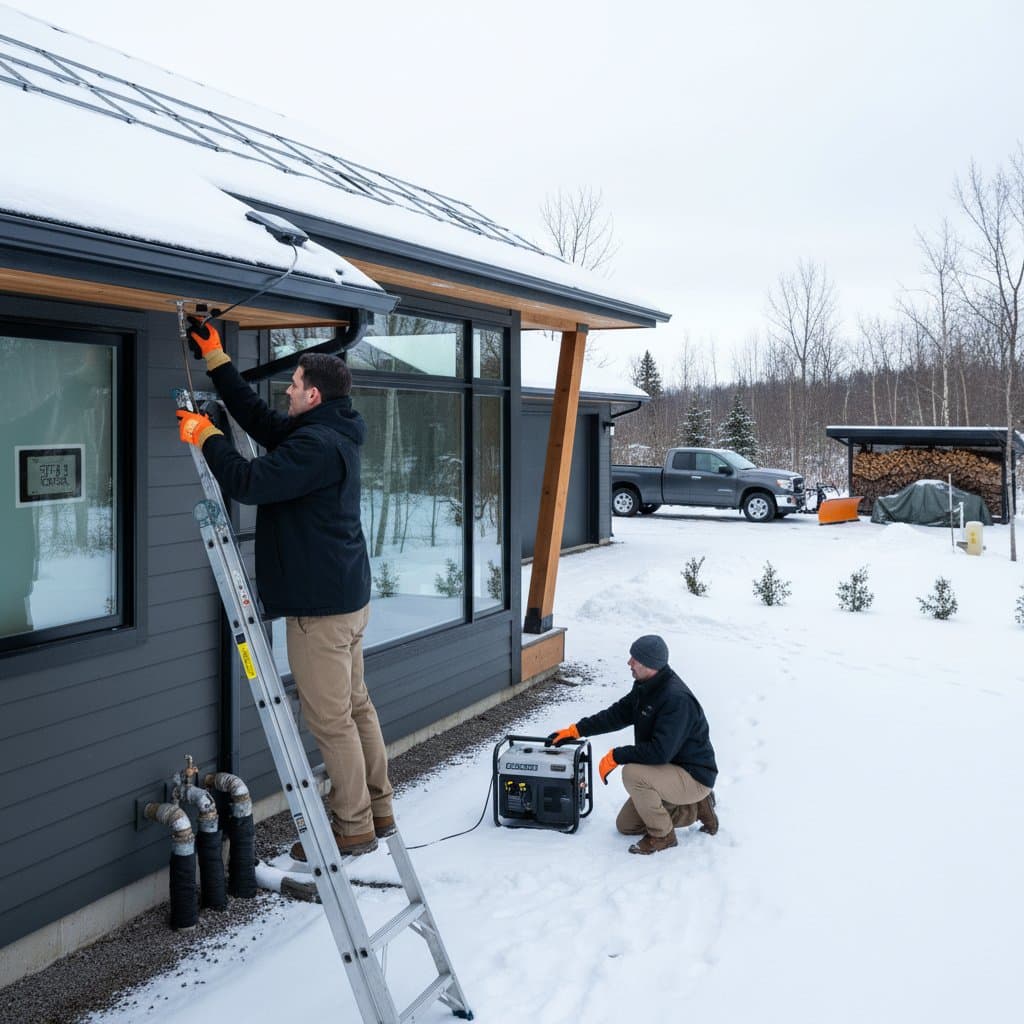
Essential Checks to Winter-Proof Your Home Systems
Preparation for cold weather requires attention to your home before temperatures drop. A few hours of preventive maintenance can prevent costly repairs, frozen pipes, or heating failures. Winter-proofing focuses on readying existing systems rather than expensive upgrades.
Experiencing a furnace failure during a cold snap highlights the stress involved. Most winter issues become avoidable through a structured checklist, basic tools, and dedicated time. These steps safeguard your home, ensure warmth, and maintain efficiency throughout the season.
Key Checks for Your Heating System
The heating system serves as the core of winter comfort, and oversight here ranks among frequent homeowner errors. Conduct a comprehensive inspection before the initial chill arrives.
Schedule a Professional Tune-Up
Engage a professional HVAC technician for an annual inspection of your furnace or boiler. Costs range from $100 to $250, varying by region and system type. The process covers cleaning burners, examining gas connections, and confirming carbon monoxide levels. This investment averts breakdowns that incur higher expenses later.
Replace or Clean Filters
Clean airflow remains essential for heating efficiency. Replace disposable filters monthly during peak operation, and clean permanent filters every few weeks. A clogged filter impedes airflow, compels the system to labor more, and increases energy bills by up to 15 percent.
Test the Thermostat
Adjust the thermostat a few degrees higher and observe the system activation. If response delays or cycles occur frequently, recalibrate or replace the unit. Smart thermostats, priced from $100 to $300, optimize energy by adjusting temperatures during absences.
Watch for Warning Signs
Strange noises, uneven heating, or elevated utility bills demand prompt response. Such indicators may point to duct leaks, obstructed vents, or deteriorating parts. Swift intervention preserves funds and avoids discomfort.
Protecting Your Plumbing from Freezing
Frozen or burst pipes cause extensive damage, with repairs spanning $500 for minor leaks to over $5,000 for significant water issues. Prevention involves basic measures.
Insulate Exposed Pipes
Pipes in basements, crawl spaces, and garages face freezing risks. Foam insulation, at about $1 per foot, applies easily via adhesive seams. Focus on lines near exterior walls or unheated zones.
Seal Gaps and Cracks
Identify entry points where pipes penetrate walls or floors, and seal them using expanding foam or silicone caulk. Minor drafts suffice to chill pipes to freezing.
Keep Water Moving
In severe cold, allow faucets to drip minimally to maintain flow. This practice, though appearing wasteful, avoids pressure accumulation leading to bursts. For absences exceeding one day, shut off the main water supply and drain the system.
Know Your Shutoff Valve
Locate and understand the main water shutoff valve. Label it for clarity. In emergencies, rapid use limits water damage costs to thousands.
Roof and Gutter Readiness
The roof shields against snow, ice, and rain when maintained properly. Ice dams, leaks, and clogged gutters represent typical winter concerns addressable through inspections.
Inspect and Clean Gutters
Debris traps water that freezes and expands, misaligning gutters. Clean thoroughly, then test drainage with a hose. Gutter guards, at $4 to $7 per linear foot, prove valuable near trees.
Check Roof Integrity
Examine for missing shingles, sagging sections, or corroded flashing using binoculars from the ground. Summon a roofing contractor for any damage prior to snowfall. Shingle repairs cost under $300, whereas neglect invites interior leaks exceeding thousands in repairs.
Prevent Ice Dams
Inadequate attic insulation and ventilation permit heat escape, melting snow that refreezes at eaves. Enhance insulation for uniform attic temperatures, and remove heavy snow using a roof rake to curb accumulation.
Electrical and Backup Power Systems
Storms frequently cause outages in winter. Preparation sustains power and safety.
Test Backup Generators
For portable or standby generators, perform preseason tests on fuel, oil, and cords. Professional inspections cost around $100, far less than outage inconveniences.
Inspect Electrical Panels
Loose wiring or overloaded circuits pose fire risks with constant heater use. Hire a licensed electrician for panel review if lights flicker or breakers trip. Services range from $150 to $400.
Check Smoke and Carbon Monoxide Detectors
Test alarms monthly and replace batteries. Fuel-burning heating systems necessitate carbon monoxide detectors per floor. Combination units cost $30 to $50 each and protect lives.
Windows, Doors, and Insulation
Energy escape via inadequate insulation drives up heating expenses. Leaks around windows and doors accumulate rapidly.
Perform a Draft Test
On windy days, position a lit incense stick near frames. Smoke deviation signals leaks; apply weatherstripping or caulk to seal. Weatherproofing kits, under $40, reduce heating costs by up to 20 percent.
Upgrade Window Treatments
Thermal curtains or cellular shades provide added insulation. Open them during sunlight for passive heating, and close at night to trap warmth.
Add Attic Insulation
Visible ceiling joists indicate insufficient coverage. Installed blown-in cellulose or fiberglass batts run $1.50 to $3 per square foot. Benefits include energy savings and enhanced comfort.
Exterior Maintenance and Safety Checks
Exteriors endure severe conditions. Targeted tasks avert major issues in cold.
Inspect Driveways and Walkways
Cracks widen in freezes, causing breaks. Seal concrete or asphalt pre-winter to halt degradation. Materials for a standard driveway cost $50 to $100.
Check Outdoor Lighting
Extended darkness increases lighting dependence for safety. Swap burnt bulbs and add motion-activated entry fixtures. LEDs consume less energy and function reliably in cold.
Prepare Outdoor Faucets and Sprinklers
Detach hoses and drain spigots; fit insulated covers. For irrigation, professionals blow out lines for $75 to $150.
Attic and Ventilation Review
Attics influence home dryness and warmth. Inadequate ventilation fosters mold, condensation, and ice dams.
Check for Moisture or Mold
Inspect rafters and insulation with a flashlight for dampness or stains. Clean minor mold with diluted bleach; engage specialists for extensive growth.
Verify Ventilation
Clear soffit and ridge vents of insulation or debris. Effective airflow maintains attic dryness and roof integrity.
Pro Tips for Success
Winter-proofing emphasizes prevention over flawlessness. A systematic method anticipates seasonal demands and avoids urgency.
Create a checklist and address systems sequentially, beginning with heating and plumbing.
Document maintenance via photos and receipts to support warranties and appeal to buyers.
Stock essentials like salt, sand, and spare filters ahead of storms.
Monitor for unusual sounds, smells, or drafts as indicators of required action.
Steps to Sustain Your Home's Winter Readiness
Ongoing vigilance extends the benefits of initial preparations. Regular reviews confirm system performance and prompt adjustments as needed. This approach secures long-term comfort, efficiency, and value in your home.