
AI Design Tools vs Designer Fees: Real Cost Breakdown
Understanding the Options for Home Design
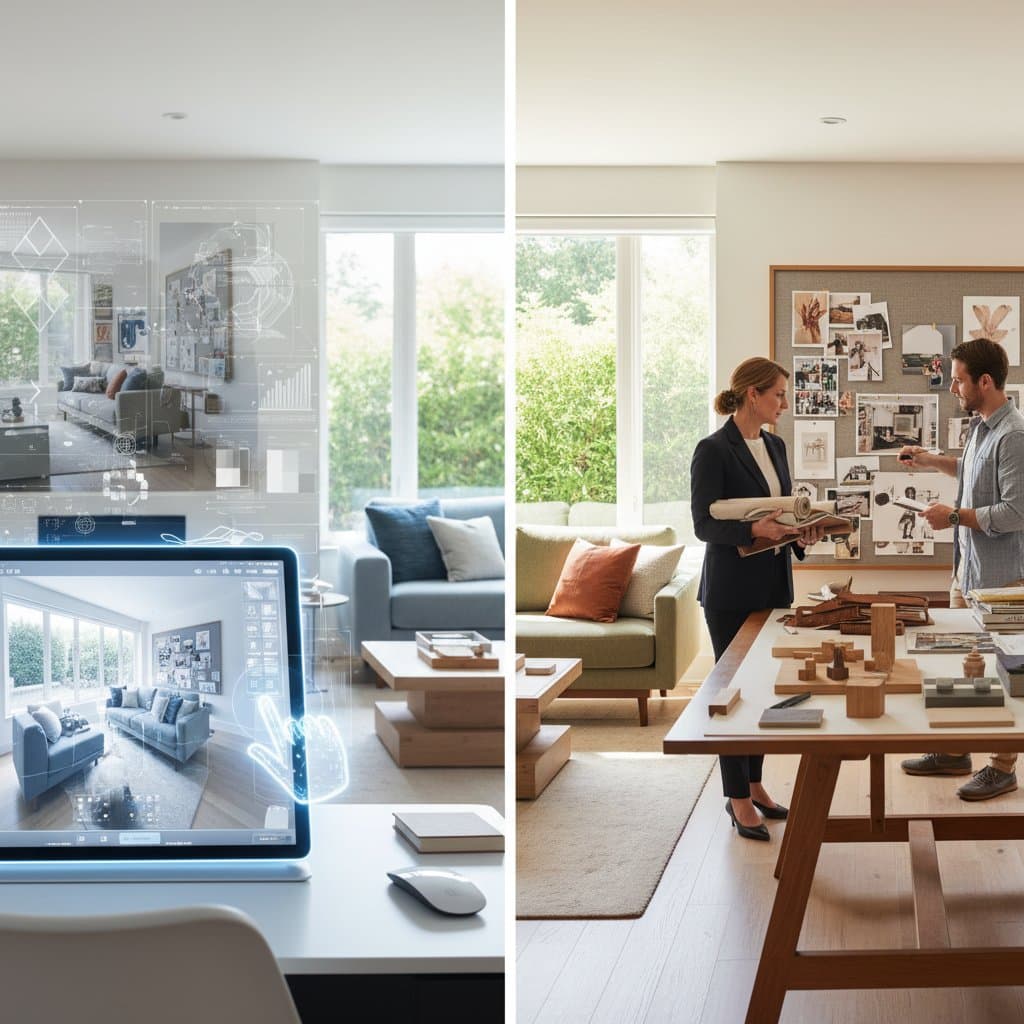
Homeowners often face a pivotal choice when planning renovations: rely on artificial intelligence tools or hire a professional designer. AI design tools offer quick visualizations and cost-effective suggestions, while professional designers provide tailored expertise and oversight. This breakdown examines the financial implications, benefits, and strategic uses of each approach to help you decide based on your project needs.
AI tools democratize design by making professional-level concepts accessible without extensive training. Professionals, however, bring years of experience to ensure functionality and aesthetics align with real-world constraints. Evaluating both reveals opportunities to optimize spending and achieve desirable outcomes.
Exploring AI Design Tools
AI design tools leverage algorithms to generate layouts, color schemes, and furniture arrangements based on user inputs like room dimensions and style preferences. Platforms such as RoomGPT or Planner 5D allow users to upload photos and receive instant redesign proposals. These tools integrate with home improvement resources, suggesting materials and estimating basic costs.
Users appreciate the speed; a full room concept can emerge in minutes. Many tools operate on a freemium model, providing basic features at no charge and advanced options through subscriptions. This accessibility suits DIY enthusiasts tackling smaller projects like kitchen updates or bedroom refreshes.
Key Features of AI Tools
- Visualization Capabilities: Generate 3D renderings and virtual walkthroughs to preview changes.
- Customization Options: Adjust elements like lighting, textures, and layouts via simple sliders or prompts.
- Integration with Shopping: Link directly to retailers for purchasing suggested items, streamlining the process.
These features empower users to experiment freely, fostering creativity without immediate financial commitment.
Breaking Down Costs for AI Design Tools
Most AI tools require minimal upfront investment. Free versions handle basic tasks, such as creating a single room plan, while premium subscriptions range from 10 to 50 dollars per month. Annual plans often reduce this to 100 to 300 dollars, granting unlimited access and higher-resolution outputs.
Additional expenses arise from implementation. Users might spend 200 to 500 dollars on materials identified by the tool, plus labor if hiring contractors for execution. Over time, the total cost for a mid-sized project stays under 1,000 dollars, excluding construction.
Compared to traditional methods, AI eliminates hourly consultation fees, making it ideal for budget-conscious projects. Savings accumulate as users avoid revisions that professionals might charge for.
The Role of Professional Designers
Professional interior designers assess spaces holistically, considering architecture, lifestyle, and sustainability. They conduct site visits, develop detailed blueprints, and coordinate with contractors to realize visions. Certifications from bodies like the American Society of Interior Designers ensure adherence to industry standards.
Designers excel in complex scenarios, such as open-concept layouts or historical restorations, where nuances like natural light and traffic flow matter. Their involvement prevents costly errors, like mismatched scales or non-compliant builds. Clients receive mood boards, specifications, and sourcing assistance tailored to unique tastes.
Services Offered by Designers
- Initial consultation and space analysis.
- Concept development with sketches and 3D models.
- Material selection and vendor negotiations.
- Project management through completion.
This comprehensive service transforms abstract ideas into functional realities.
Analyzing Designer Fees and Associated Expenses
Designer fees vary by project scope and location. Hourly rates typically fall between 50 and 200 dollars, with full-service projects costing 5,000 to 20,000 dollars for a standard home renovation. Flat fees for specific tasks, like a single-room design, range from 1,000 to 5,000 dollars.
Additional costs include markups on purchased items, often 20 to 30 percent, and travel or administrative fees. For a 10,000-dollar project budget, design services might consume 2,000 to 4,000 dollars. Long-term value emerges through warranties on recommendations and resale enhancements.
While initial outlays exceed AI options, professionals justify expenses by delivering polished, error-free results that appreciate property value.
Pros and Cons: A Side-by-Side Comparison
AI tools shine in affordability and immediacy. They enable rapid iterations, ideal for testing ideas without commitment. Limitations include generic outputs that may overlook site-specific issues, like plumbing placements or structural elements.
Professionals offer unparalleled personalization and accountability. Their expertise navigates regulations and trends, ensuring durable designs. Drawbacks involve higher costs and longer timelines, as consultations and revisions extend the process.
| Aspect | AI Design Tools | Professional Designers |
|---|---|---|
| Cost | Low (under 500 dollars) | High (thousands) |
| Speed | Instant results | Weeks to months |
| Customization | Algorithm-driven | Fully bespoke |
| Expertise | Basic guidance | In-depth analysis |
This table highlights trade-offs, guiding selections based on priorities.
When to Choose AI Tools Over Designers
Opt for AI when managing simple updates, such as painting walls or rearranging furniture. Budgets under 2,000 dollars benefit from tools' efficiency, allowing focus on execution. Beginners gain confidence through guided processes, building skills for future projects.
AI suits tight timelines, like preparing for a sale, where quick visuals impress without deep overhauls. Combine with online tutorials for enhanced results, keeping total involvement minimal.
Scenarios Favoring Professional Designers
Complex renovations, including structural changes or multi-room coordination, demand designer input. High-stakes investments, like luxury kitchens, warrant expertise to maximize returns. Families with specific needs, such as accessibility features, rely on professionals for compliant, safe designs.
Hiring shines in uncertain situations, where designers mitigate risks through proven strategies. Their networks secure better deals on materials, offsetting fees.
Integrating AI and Professional Services
A hybrid approach balances cost and quality. Use AI for initial brainstorming to refine ideas before designer consultations, reducing billable hours. Professionals increasingly incorporate AI for preliminary sketches, enhancing efficiency.
Start withconcepts, then engage a designer for refinements. This method cuts costs by 30 to 50 percent while retaining expert oversight. Track progress with shared digital files to maintain alignment.
Maximizing Value in Your Home Design Journey
Selecting between AI tools and designers hinges on project scale, expertise level, and financial flexibility. AI empowers independent creators with low-risk exploration, while professionals ensure sophisticated, lasting transformations. Consider your goals: quick wins favor tech, enduring elegance calls for human insight.
Experiment with free AI trials to gauge fit, and request designer portfolios for assurance. Whichever path you choose, prioritize functionality and personal satisfaction to elevate your living space effectively.