
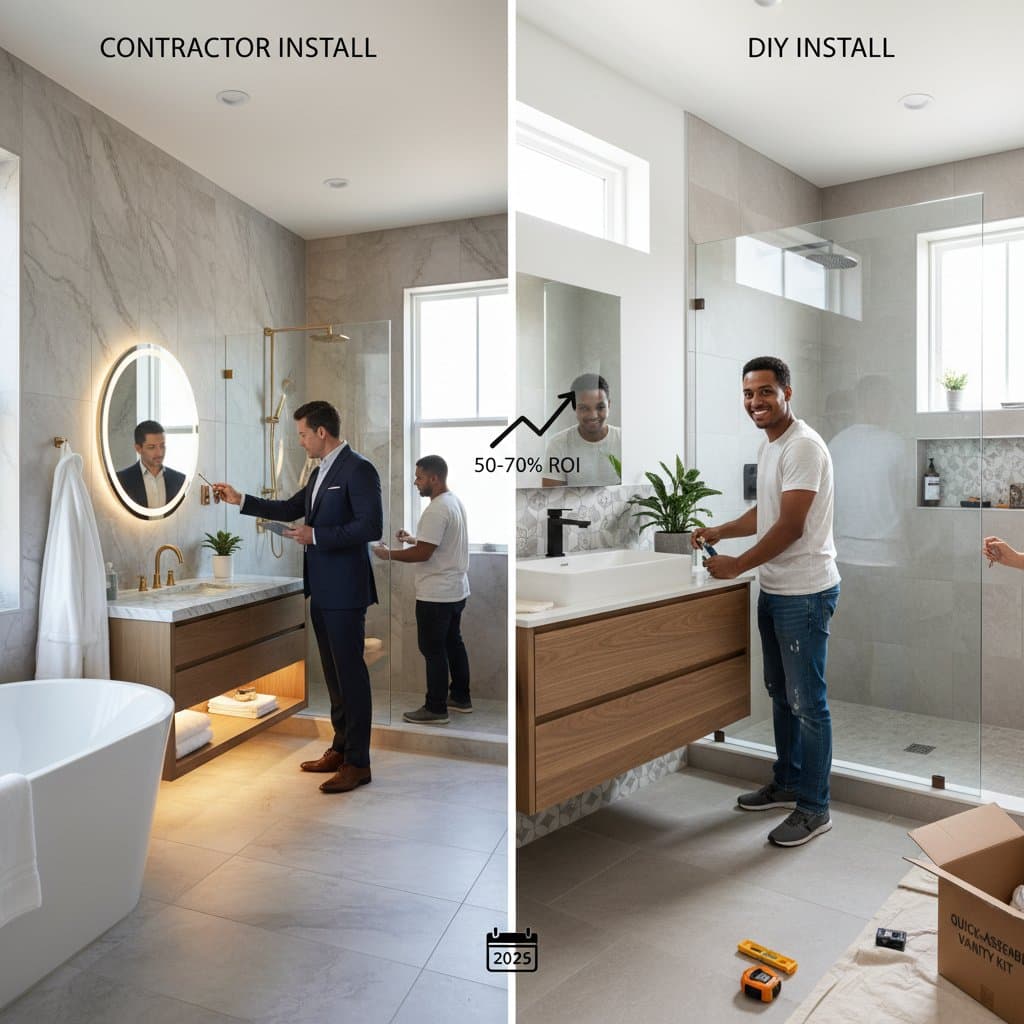
Luxury Bathroom Remodels: Balancing ROI and Practicality in 2025
Homeowners often weigh the allure of a luxurious bathroom against its financial implications. A well-executed remodel can enhance daily living and boost property value, yet returns vary based on planning and execution. The key lies in aligning upgrades with resale potential while considering budget constraints and personal needs.
Luxury projects typically recoup 50 to 70 percent of costs upon sale, according to industry benchmarks. This range reflects factors such as location, material quality, and market trends. For instance, in urban areas with high demand for modern amenities, returns may approach the upper end of that spectrum.
Essential Considerations
- Luxury remodels average 50-70 percent cost recovery at resale, influenced by design quality and regional housing markets.
- Targeted DIY changes, like updating fixtures or lighting, often provide high impact for budgets under $2,000.
- Success hinges on individual finances, DIY expertise, and whether the home serves as a long-term residence or short-term investment.
- Professional involvement remains essential for tasks involving permits, waterproofing, and electrical modifications to ensure safety and legality.
Benefits of DIY Bathroom Upgrades
Homeowners increasingly opt for DIY approaches to refresh bathrooms without committing to extensive renovations. These projects allow for quick transformations that improve functionality and aesthetics. A simple vanity swap or lighting upgrade can refresh the space effectively.
Recommended DIY Projects:
- Select and install a prefabricated vanity featuring soft-close drawers and ample storage, typically costing $300 to $800.
- Apply peel-and-stick backsplash panels over existing tile for a modern look, available for $50 to $200 per section.
- Replace an old mirror with a framed version that includes integrated lighting, priced between $100 and $400.
- Install energy-efficient LED fixtures to brighten the area and reduce utility bills, with sets ranging from $50 to $150.
- Apply moisture-resistant paint to walls and cabinets in enduring neutral shades, using products designed for humid environments at $30 to $100 per gallon.
Most of these enhancements require only a weekend of effort and stay within a $2,000 budget, depending on material selections. The value derived from DIY work frequently surpasses that of full remodels when evaluating efficiency per dollar spent, particularly since labor costs are eliminated.
However, certain elements demand professional attention. Relocating plumbing lines, rewiring electrical systems, or ensuring proper shower waterproofing involves specialized knowledge and adherence to building codes. Contact local authorities to review requirements before undertaking any utility-related changes.
Ensuring Safety, Compliance, and Protection
Bathrooms present unique challenges due to constant exposure to water and electricity. Modifications that affect plumbing, wiring, or structural integrity must comply with established national and local regulations. Inadequate waterproofing, for example, risks developing mold behind walls, which complicates insurance claims and diminishes resale appeal during inspections.
When engaging contractors, confirm their possession of valid licenses and comprehensive insurance coverage. Obtain detailed written estimates that outline scope, timelines, and permitting responsibilities. Local governments frequently mandate approvals for electrical alterations, plumbing shifts, or framing adjustments in wet areas.
Individuals pursuing DIY efforts should prioritize safety protocols. Disconnect power and water supplies prior to starting any project. Incorporate ground-fault circuit interrupter outlets in moisture-prone zones, and utilize protective equipment such as gloves and masks when working with tiles or chemical adhesives.
Strategic Design for Lasting Value
Luxury emerges from intentional selections that prioritize usability alongside elegance. Effective designs incorporate ample storage solutions, optimized illumination, and eco-friendly water features that serve practical purposes. Such elements create spaces that feel indulgent yet remain efficient.
Opt for durable, humidity-resistant materials to withstand daily use. Porcelain tiles resist staining better than some natural stones, while quartz surfaces provide seamless countertops with minimal maintenance. Solid-surface vanities offer longevity without the vulnerabilities of wood in damp conditions.
Neutral color palettes broaden appeal to prospective buyers, allowing personalization through removable accents like artwork or linens. Integrating smart technologies further refines the bathroom. Touchless faucets minimize water waste, LED-lit mirrors enhance visibility, and thermostatic valves maintain consistent temperatures, all contributing to energy savings and buyer interest.
These upgrades not only elevate comfort but also support higher resale values by demonstrating forward-thinking improvements.
Optimal Timing for Remodel Projects
Schedule bathroom renovations during periods of mild weather to facilitate drying and ventilation processes. Spring or fall months often provide ideal conditions, with contractors facing fewer scheduling conflicts and potentially offering discounted rates outside peak summer demand.
For properties intended for sale, initiate the project at least three to six months ahead of listing. This buffer permits thorough testing and any necessary adjustments, presenting the bathroom in its best condition to viewers. Fresh installations convey care and modernity, influencing buyer perceptions positively.
DIY initiatives face fewer timing constraints, though attention to environmental factors remains important. Allow sufficient time for paints, adhesives, and grouts to cure fully, especially in varying humidity levels, to achieve professional-grade results.
Preserving Your Bathroom Investment
Regular upkeep extends the lifespan and maintains the aesthetic of any bathroom upgrade. Implement a weekly cleaning routine using mild, non-abrasive cleaners to prevent buildup on surfaces and fixtures. Focus on grout lines and shower enclosures, where residue accumulates quickly.
Conduct annual inspections for signs of wear, such as loose tiles or faucet leaks, addressing issues promptly to avoid escalation. Professional deep cleans every six months can remove hard water stains and restore shine to chrome elements.
Invest in quality maintenance tools, like a high-pressure showerhead cleaner or sealant reapplier for countertops. These practices safeguard the initial investment, ensuring the space retains its value and functionality over time. Consistent care also prepares the bathroom for resale by demonstrating meticulous property management.
Actionable Steps for a Successful Remodel
- Emphasize practical layouts and ventilation to create a space that performs reliably, beyond mere visual appeal.
- Select enduring materials and fixtures that transcend passing trends, securing long-term satisfaction.
- Solicit estimates from a minimum of three licensed contractors to compare pricing and approaches.
- Evaluate paint and tile samples in the actual bathroom lighting to confirm color accuracy.
- Account for project disruptions by arranging alternative facilities, even for minor updates.