
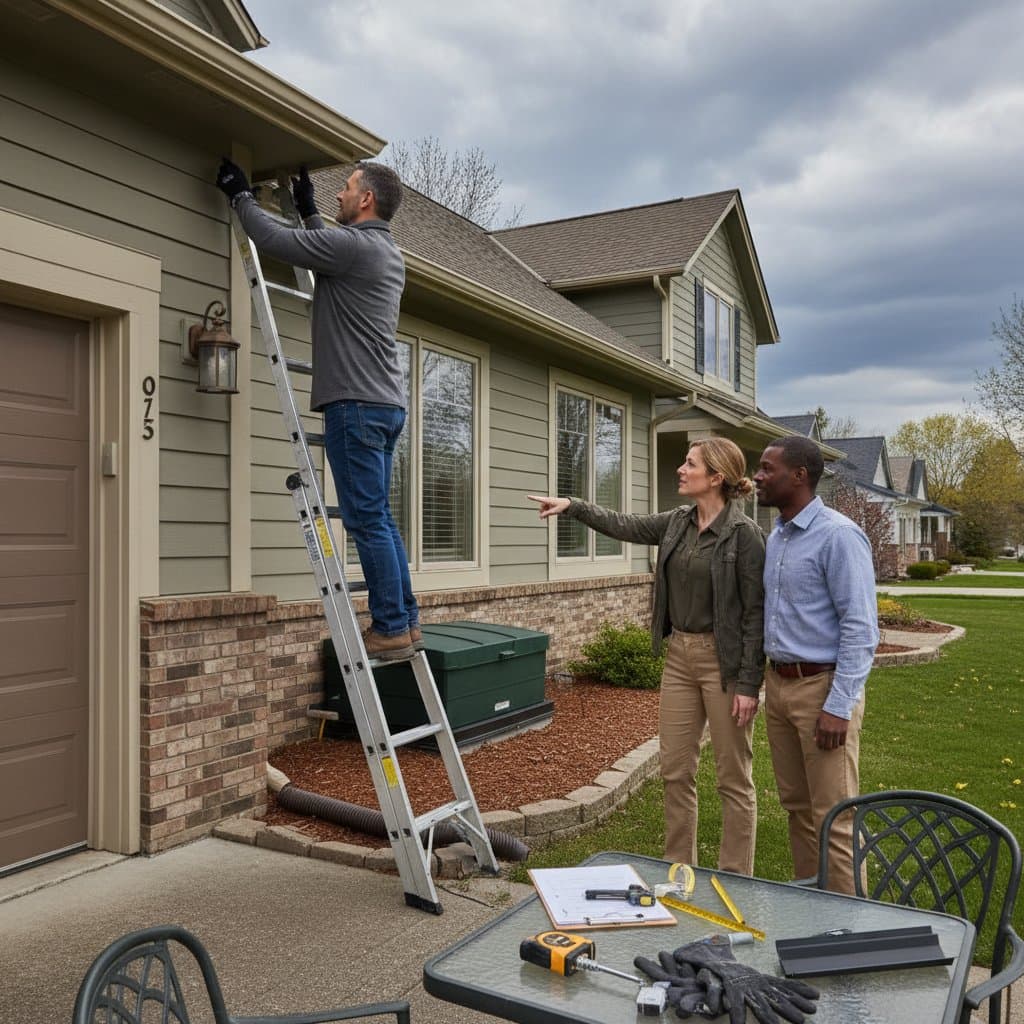
Prepare Your Home for Spring Storms
Spring signals renewal with blooming flowers and warmer temperatures, yet it also introduces severe weather challenges. Intense rains, powerful winds, and rapid temperature shifts can compromise a home's structure and systems. Proactive preparation transforms vulnerability into resilience, allowing homeowners to avoid expensive repairs and maintain safety.
This guide details essential steps to inspect, reinforce, and ready your property. By addressing common weak points systematically, you invest in protection that yields financial and emotional benefits. Begin now to ensure your home withstands the season's trials.
Inspect Roof, Gutters, and Foundation
Start with a thorough examination of your roof, as it bears the brunt of wind and rain. Look for loose shingles, cracked flashing, or signs of wear around vents and chimneys. Hire a professional roofer if you spot damage exceeding minor patches; costs for a full inspection typically range from $200 to $400, but early detection prevents leaks that could escalate to thousands in repairs.
Next, clean and inspect gutters to manage water flow effectively. Clogged gutters lead to overflow, which erodes siding and undermines foundations. Install gutter guards for $5 to $10 per linear foot to reduce future maintenance; this simple upgrade keeps water directed away from your home.
Finally, assess your foundation for cracks or settling. Water pooling near the base indicates drainage issues that worsen over time. Seal small cracks with epoxy kits available for under $50, but consult a structural engineer for larger concerns to avoid progressive instability.
Secure Windows, Doors, and Exterior Openings
Windows and doors serve as primary entry points for wind-driven rain and debris. Verify that each window latches securely and that seals remain pliable. Apply fresh silicone caulk around frames, a task that requires only basic tools and sealant costing less than $10 per tube, to block moisture infiltration.
Examine doors for warped panels or deteriorated weatherstripping. Replace stripping on exterior doors, an improvement that costs about $15 per door and enhances insulation alongside storm resistance. Focus on garage doors, which face high wind pressure; install brace kits for $100 to $200 to distribute forces evenly and prevent failure.
Protect vents and other openings with metal screens or covers. These additions, priced at $20 to $50 each, deter pests and debris while maintaining airflow. Regular checks ensure these barriers function during storms, preserving interior dryness.
Trim Trees and Landscape for Wind Resistance
Overhanging branches pose significant threats during gusty conditions. Prune trees at least 10 feet from your home, removing dead limbs that could snap and cause impact damage. Professional trimming services cost $200 to $500 depending on tree size, but they eliminate risks to roofs and siding.
Adjust landscaping to direct water and wind away from structures. Plant windbreaks like shrubs on the prevailing wind side, selecting hardy varieties that require minimal upkeep. Regrade soil if necessary, ensuring a 6-inch drop over 10 feet from the foundation; topsoil for this adjustment runs about $100 per load.
Secure loose elements such as fences and awnings. Tighten hardware and reinforce posts to withstand 50-mile-per-hour gusts. These measures, often completed in a weekend, safeguard exterior features without major expense.
Reinforce Your Drainage System
Effective drainage prevents water accumulation that leads to flooding and erosion. Beyond gutters, evaluate downspouts for proper extension, directing water at least 5 feet from the foundation. Extend with PVC pipes for $20 to $50 to avoid soil saturation near walls.
Address yard grading to promote natural runoff. If slopes are inadequate, add soil to create the recommended 6-inch drop over 10 feet. This foundational adjustment, achievable with $100 in materials, averts costly foundation shifts.
For properties in flood-prone areas, install advanced solutions like French drains or sump pumps. A French drain diverts subsurface water for $1,000 to $2,500, while sump pumps handle interior flooding at $800 to $1,500 installed. Both options mitigate mold risks and structural harm, offering rapid returns on investment.
Develop a Storm Readiness Checklist
A structured checklist streamlines preparation during weather warnings. Customize it to your home's specifics for efficiency.
- Relocate outdoor furniture, pots, and decorations to sheltered areas.
- Test sump pump and backup power sources.
- Seal and secure all windows, doors, and garage entries.
- Unplug sensitive electronics to guard against surges.
- Stock emergency supplies including flashlights, batteries, and nonperishable food.
- Store vital documents in waterproof, elevated containers.
- Review evacuation routes if your area faces flash flood threats.
Review and update this list annually to incorporate new home features or lessons from past seasons.
Expert Recommendations for Effective Preparation
Schedule all inspections and maintenance in early spring, well before forecasts predict storms. This timing allows for unhurried work and professional involvement where needed.
Capture before-and-after photographs of vulnerable areas. Such documentation supports insurance claims and tracks long-term improvements.
Evaluate your homeowner's insurance for adequate coverage against wind, hail, and flood events. Consult your agent to address gaps, potentially adding riders for comprehensive protection.
Maintain consistency by integrating these tasks into your seasonal routine. Each year's effort builds upon the last, simplifying future preparations.
Sustain Resilience Through Ongoing Care
Home protection against storms requires regular attention rather than isolated efforts. Consistent upkeep fortifies your investment and adapts to evolving weather patterns.
Embrace these strategies to shift from reactive fixes to preventive mastery. Your home emerges stronger, ready to weather spring's challenges with confidence and minimal disruption.