
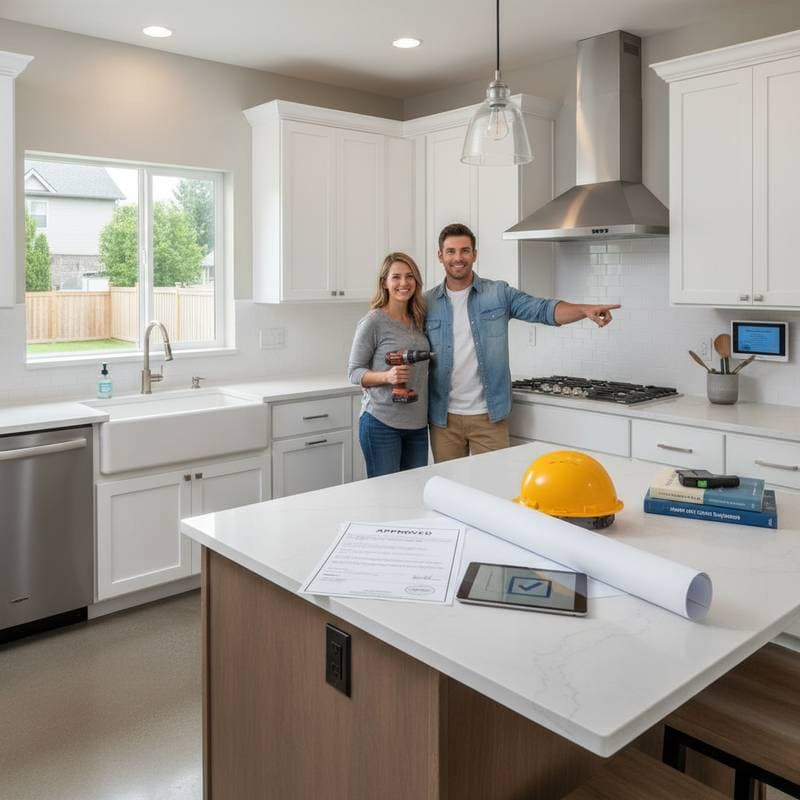
The Hidden Costs of Overlooking Permits in DIY Kitchen Projects
Homeowners often envision transforming their kitchens through personal effort, envisioning savings and satisfaction from the process. Resources abound online, offering guidance for tasks from installing cabinets to updating appliances. However, enthusiasm can lead to oversight of essential regulatory steps, such as obtaining building permits.
These permits serve as more than bureaucratic hurdles; they ensure adherence to safety standards and building codes. Neglecting them exposes individuals to immediate and long-term complications that undermine the project's success. Understanding these implications allows for informed decision-making from the outset.
Potential Pitfalls of Unpermitted Kitchen Renovations
Consider completing a comprehensive kitchen overhaul, complete with new flooring, updated appliances, and fresh paint. The result impresses, yet challenges arise upon attempting to sell the property. Prospective buyers or inspectors demand evidence of compliance, revealing the absence of documentation.
Such oversights trigger multiple adverse outcomes:
- Insurance Complications: In the event of damage from faulty installation, such as an electrical malfunction causing a fire, insurers may deny coverage due to lack of verification.
- Challenges in Property Sales: Lenders and buyers frequently insist on permit records for significant alterations. Their absence can delay transactions, necessitate costly retroactive approvals, or reduce the home's market price by thousands.
- Financial Penalties: Municipal authorities impose fines ranging from hundreds to thousands of dollars. In severe cases, officials mandate demolition and reconstruction to meet codes, escalating expenses dramatically.
- Health and Safety Concerns: Improperly installed elements, including substandard wiring or ventilation systems, heighten risks of accidents like electrical shocks, mold growth, or carbon monoxide exposure.
Permit fees for kitchen projects typically range from $300 to $1,500, influenced by factors such as geographic location and renovation scale. This modest investment pales in comparison to the potential costs of remediation or legal repercussions. Proactive compliance preserves financial resources and personal well-being.
Identifying Projects That Demand Permits
Distinguishing between permissible DIY tasks and those requiring official approval prevents unnecessary complications. Regulations vary by jurisdiction, but general patterns emerge based on the nature of the work.
- Surface-Level Modifications: Activities like repainting walls, refinishing cabinets, or laying new laminate flooring generally fall outside permit requirements, as they do not alter structural integrity or utilities.
- Electrical Modifications: Installing additional outlets, relocating light fixtures, or enhancing circuit capacity necessitates permits to verify compliance with national electrical codes, ensuring overload prevention and fire safety.
- Plumbing Alterations: Relocating a sink, adding a dishwasher line, or modifying drainage systems requires oversight to avoid contamination risks and maintain water pressure standards.
- Structural Adjustments: Removing non-load-bearing walls or installing islands that impact layout demands engineering review to confirm stability and adherence to seismic or wind-load regulations.
When uncertainty arises, contacting the local building department provides clarity. Officials often offer free consultations, detailing specific needs and application procedures. Many departments now facilitate submissions through digital portals, streamlining the process and reducing wait times to days rather than weeks.
To illustrate, a simple countertop replacement might proceed without permits, but integrating under-cabinet lighting involves wiring that triggers mandatory inspection. Reviewing municipal websites or zoning maps beforehand equips homeowners with precise expectations.
Prioritizing Safety in Every Step of the Remodel
Beyond legal obligations, permits enforce rigorous safety protocols that protect occupants over the home's lifespan. Professional inspectors identify vulnerabilities that even skilled amateurs might miss, such as inadequate grounding in electrical setups or insufficient support in modified frameworks.
Incorporate these practices to foster a secure environment:
- Disconnect electricity at the main breaker prior to any wiring tasks, using voltage testers to confirm absence of power.
- Select materials certified for kitchen use, such as low-VOC paints and moisture-resistant adhesives, to minimize indoor air quality issues.
- Ensure adequate airflow by operating exhaust fans during adhesive applications or welding, preventing inhalation of fumes.
- Position fire extinguishers rated for electrical and chemical fires within arm's reach, especially near power tools or gas lines.
These measures not only align with code but also build confidence in the renovation's durability. For instance, proper plumbing seals prevent leaks that could lead to structural rot, extending the kitchen's functional life.
Steps to Integrate Permits Seamlessly into Your Project
Viewing permits as integral to planning transforms them from obstacles into assets. Early involvement allows for adjustments that enhance overall quality and efficiency.
Follow this sequence to proceed effectively:
- Investigate Local Regulations: Consult your city's building department website or visit in person to compile a list of required permits based on your planned changes.
- Allocate Funds Accordingly: Include permit costs in your budget spreadsheet, accounting for application fees, inspection charges, and potential consultant hires for complex elements.
- Schedule Inspections Proactively: Coordinate with authorities during the design phase, aligning checks with milestones like rough-in plumbing or final electrical connections.
- Document Thoroughly: Maintain files of all approvals, receipts, and inspector notes in a dedicated folder, readily accessible for future home evaluations or loans.
Additional considerations include hiring licensed subcontractors for specialized tasks, such as gas line installations, to bolster credibility. This approach not only satisfies codes but also adds professional validation to DIY efforts.
Building a Lasting Foundation for Your Kitchen Investment
Embracing permits fortifies your kitchen remodel against unforeseen challenges, ensuring it enhances rather than erodes your home's worth. Compliance yields tranquility, knowing the space adheres to contemporary standards and supports family needs reliably.
Ultimately, this diligence rewards with a kitchen that reflects personal vision while upholding safety and value. Homeowners who navigate these steps emerge with renovations that withstand scrutiny and time, maximizing returns on their dedicated labor.