
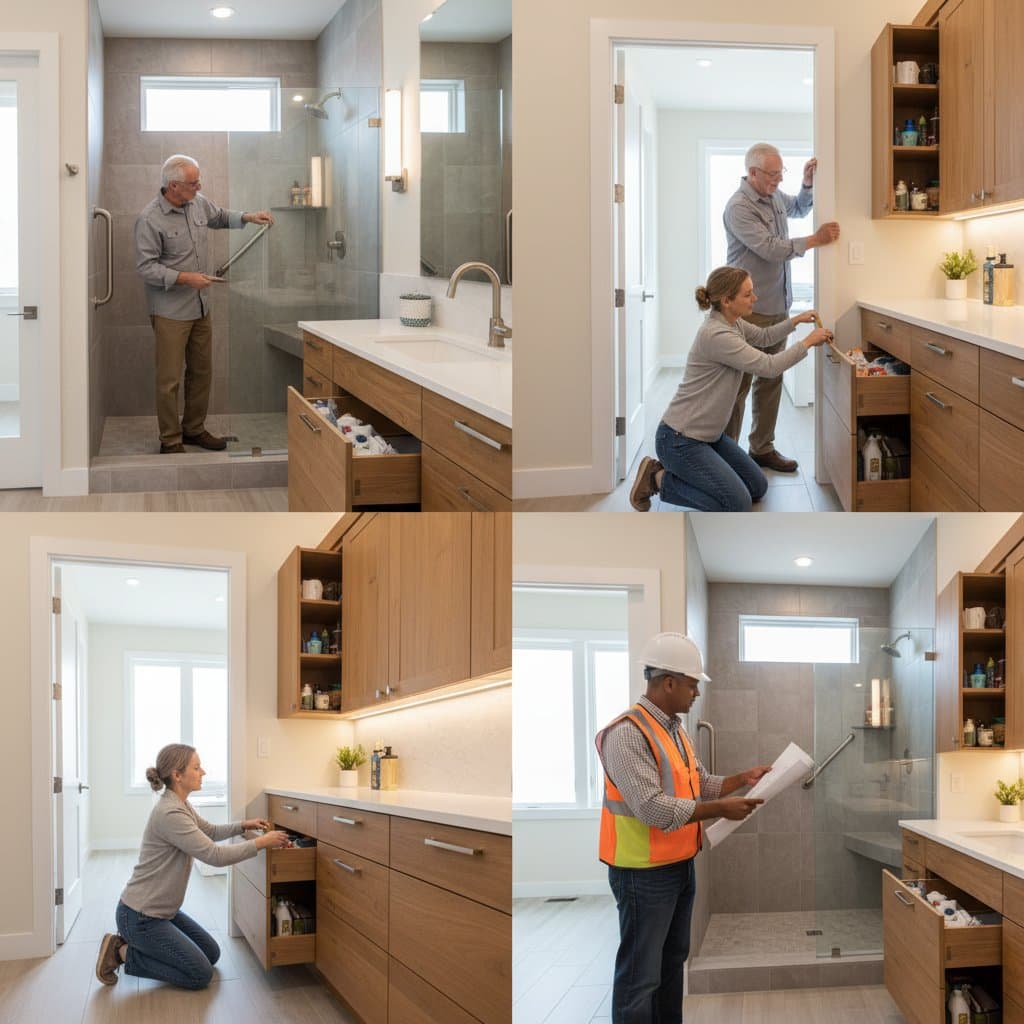
Introduction to Aging-in-Place Modifications
Aging in place allows individuals to remain in their homes as they grow older, promoting independence and comfort. Home modifications play a crucial role in this process by addressing safety concerns and enhancing accessibility. This article guides readers through determining which modifications suit a do-it-yourself approach and which require professional assistance, ensuring projects align with safety standards and personal needs.
Key considerations include the homeowner's skill level, the project's complexity, and potential risks to structural integrity or compliance with building codes. Simple updates like improved lighting can prevent falls, while more involved changes demand expert input. By evaluating these factors, individuals can create a secure living environment without unnecessary expenses or hazards.
Projects Suitable for DIY Efforts
Certain aging-in-place modifications involve straightforward tasks that skilled homeowners can handle independently. These projects focus on enhancing visibility, stability, and organization, often requiring basic tools and materials available at local hardware stores.
Enhanced Lighting Solutions
Adequate lighting reduces the risk of trips and falls, particularly in hallways, stairways, and bathrooms. Homeowners can install motion-sensor lights or LED fixtures to illuminate pathways automatically.
- Materials needed: Battery-operated or plug-in lights, screws, and a ladder.
- Cost range: $20 to $150 per fixture.
- Steps to follow: Identify dim areas, mount lights at eye level for optimal coverage, and test functionality in low-light conditions.
This approach improves navigation without altering electrical wiring, making it accessible for most DIY enthusiasts.
Grab Bar Installation in Key Areas
Grab bars provide essential support in bathrooms and along hallways, helping to prevent slips during daily routines. Select bars with non-slip grips and ensure they attach to wall studs for maximum strength.
- Installation tips: Use a stud finder to locate secure mounting points; apply silicone caulk around bases for added stability.
- Cost range: $30 to $100 per bar, plus tools if needed.
- Safety check: Verify that bars support at least 250 pounds, as recommended by accessibility guidelines.
Proper placement near toilets, showers, and entryways enhances confidence and reduces injury risks.
Optimized Storage and Reach Adjustments
Adjusting shelves and cabinets lowers items to reachable heights, minimizing strain and fall risks. Reorganize closets or install pull-out drawers to keep essentials within easy grasp.
- DIY methods: Remove upper shelves, add lazy Susans or lower racks, and label contents for quick access.
- Cost range: $50 to $300, depending on hardware.
- Benefits: Promotes independence by eliminating the need for step stools or excessive reaching.
These changes transform cluttered spaces into functional areas tailored for long-term use.
Modifications Requiring Professional Expertise
Some projects involve structural, electrical, or plumbing elements that exceed typical DIY capabilities. Engaging certified professionals ensures compliance with local codes and long-term durability.
Doorway Widening for Accessibility
Widening doorways accommodates wheelchairs or walkers, facilitating smoother movement through the home. This task requires precise measurements and modifications to framing.
- Cost range: $700 to $2,500 per doorway.
- Key benefit: Maintains structural integrity while meeting accessibility standards.
Attempting this as a DIY project can compromise wall stability or violate code requirements, so professional oversight is essential. Contractors assess load-bearing elements and integrate reinforcements seamlessly.
Ramp and Stair Lift Installation
Exterior ramps and indoor stair lifts require precise slope ratios and secure anchoring to support weight and prevent tipping. These installations demand engineering knowledge to avoid safety issues.
- Ramps: Expect $1,500 to $6,000 for permanent ramps depending on materials and length.
- Stair lifts: Usually between $2,000 and $5,000 including installation.
- Professional expertise: Ensures load-bearing safety and proper gradient for wheelchair use.
A certified installer can also advise on local accessibility regulations and maintenance schedules, providing peace of mind for complex setups.
Essential Safety Considerations
Safety forms the foundation of every aging-in-place project, with fall prevention and mobility ease as primary goals. Integrating these principles from the outset minimizes accidents and supports daily living.
- Check load ratings: All grab bars, railings, and ramps must meet minimum weight capacity standards, typically 250 to 500 pounds.
- Avoid quick fixes: Temporary solutions like unsecured mats or adhesive hooks can fail under stress, leading to injuries.
- Review electrical safety: If a project involves wiring, always hire a licensed electrician to prevent shocks or fires.
- Mind flooring transitions: Level changes between rooms can create trip hazards, so use gradual thresholds or ramps for smooth passage.
Proactive measures like these create a hazard-free environment, reducing stress for residents and caregivers alike.
Adapting to Updated Living Spaces
After completing modifications, residents benefit from a period of adjustment to familiarize themselves with the changes. This phase reveals how updates influence routines and highlights any fine-tuning needs.
- Test the flow: Walk through the home to ensure clear paths and comfortable reach zones, making adjustments as necessary.
- Label new switches or controls: This practice proves especially helpful for anyone with vision challenges, aiding quick orientation.
- Maintain accessibility features: Tighten grab bar screws periodically, clean ramps to prevent slips, and replace worn mats promptly.
Consistent upkeep preserves the functionality of these investments, ensuring sustained safety and convenience.
Steps to Implement Your Plan
Aging in place requires gradual, intentional changes rather than sweeping overhauls. Begin by assessing current needs through a home walkthrough, prioritizing high-traffic areas like bathrooms and entrances.
Consult resources such as occupational therapists for personalized recommendations. Budget accordingly, allocating funds for both DIY supplies and professional services. Track progress with a simple project log to maintain momentum.
These steps foster a home that evolves with its occupants, safeguarding independence and well-being over time.